
Carpenter Ant Control
Carpenter Ant Control
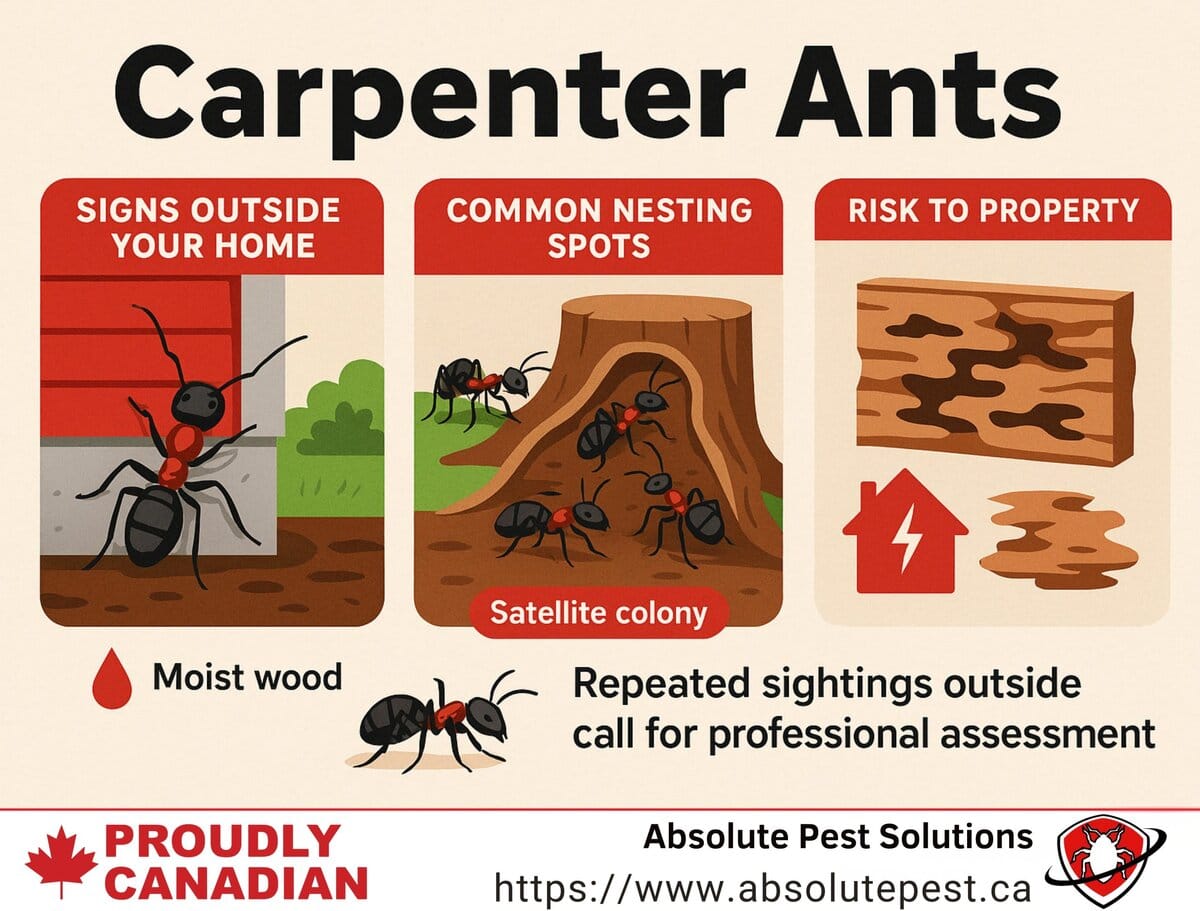
Carpenter ants are one of the most destructive ant species found in homes and buildings across British Columbia. Unlike nuisance ants, carpenter ants tunnel through wood to build nests, which can weaken structural framing, walls, beams, and other building materials over time.
If left untreated, carpenter ant infestations can spread silently through walls, attics, crawlspaces, and moisture-damaged wood. Professional carpenter ant control is essential to locate the nest, eliminate the colony, and prevent further structural damage. Absolute Pest Solutions provides targeted carpenter ant control across Abbotsford, Chilliwack, Mission, Langley, Surrey, Delta, Richmond, Burnaby, Vancouver, and all surrounding Fraser Valley and Lower Mainland communities.
About Carpenter Ants
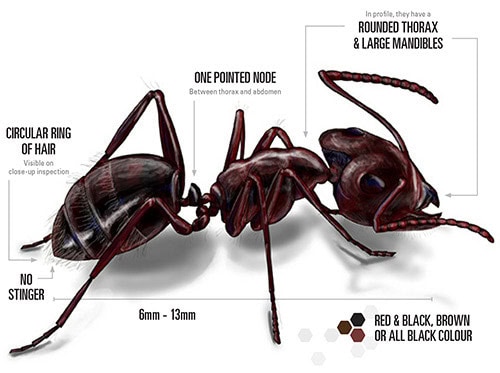
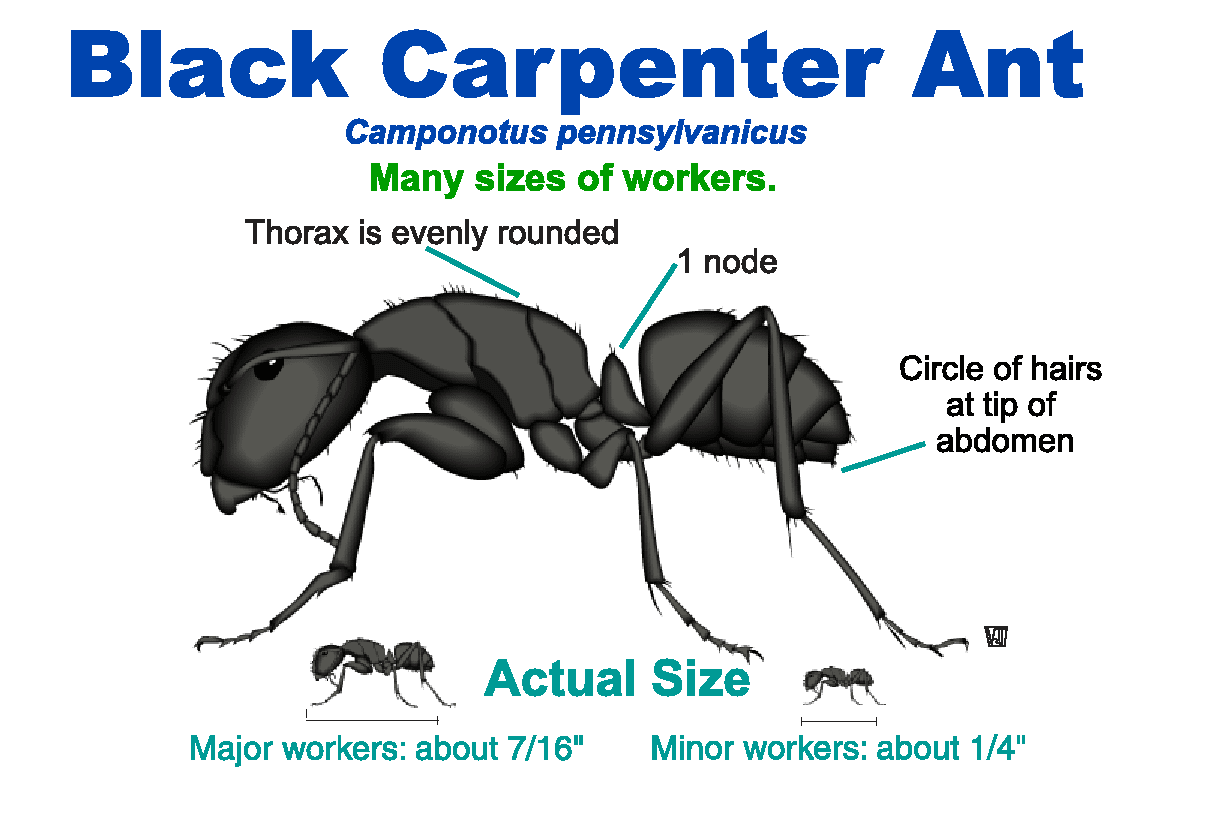
Carpenter ants are large ants, typically black or red-and-black, that excavate wood to create smooth tunnels and galleries for nesting. They do not eat wood, but their tunneling activity can cause serious structural damage when infestations are left untreated.
Carpenter ants are commonly found in:
• Moist or decaying wood
• Attics and crawlspaces
• Wall voids and framing
• Window frames and door trim
• Rooflines and soffits
• Areas affected by leaks or condensation
Signs of a Carpenter Ant Infestation
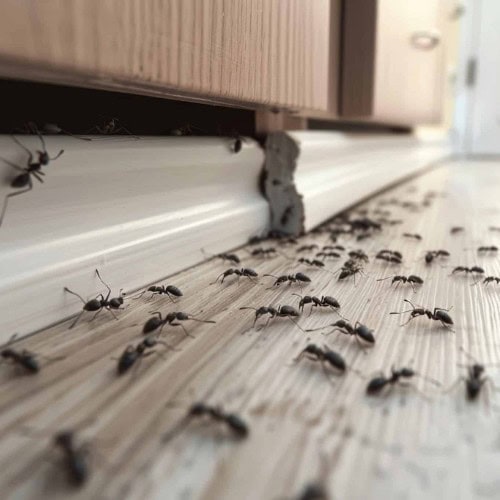
- Visible Ant Trails – Trails of ants moving along walls, baseboards, floors, or exterior pathways.
- Ants in Kitchens & Wet Areas – Ants appearing around sinks, pantries, windows, garbage, or pet food dishes.
- Sawdust Piles (Frass) – Small piles of sawdust-like debris, a common sign of carpenter ants excavating wood.
- Flying Ants Indoors – Winged ants emerging inside, especially during spring or early summer.
- Clicking or Rustling Sounds – Faint noises inside walls, often caused by large carpenter ant colonies.
- Moisture Activity – Ants gathering around water leaks, bathroom fixtures, or damp wood.
- Soft or Hollow Wood – Wood that feels spongy, weak, or hollow due to hidden tunneling or structural damage.
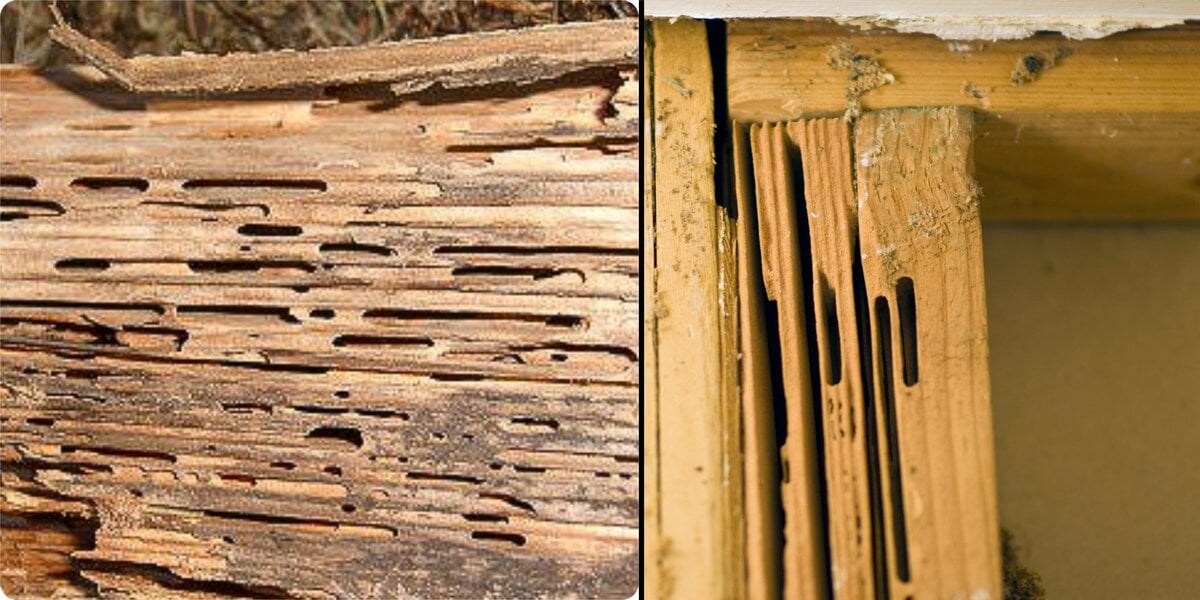
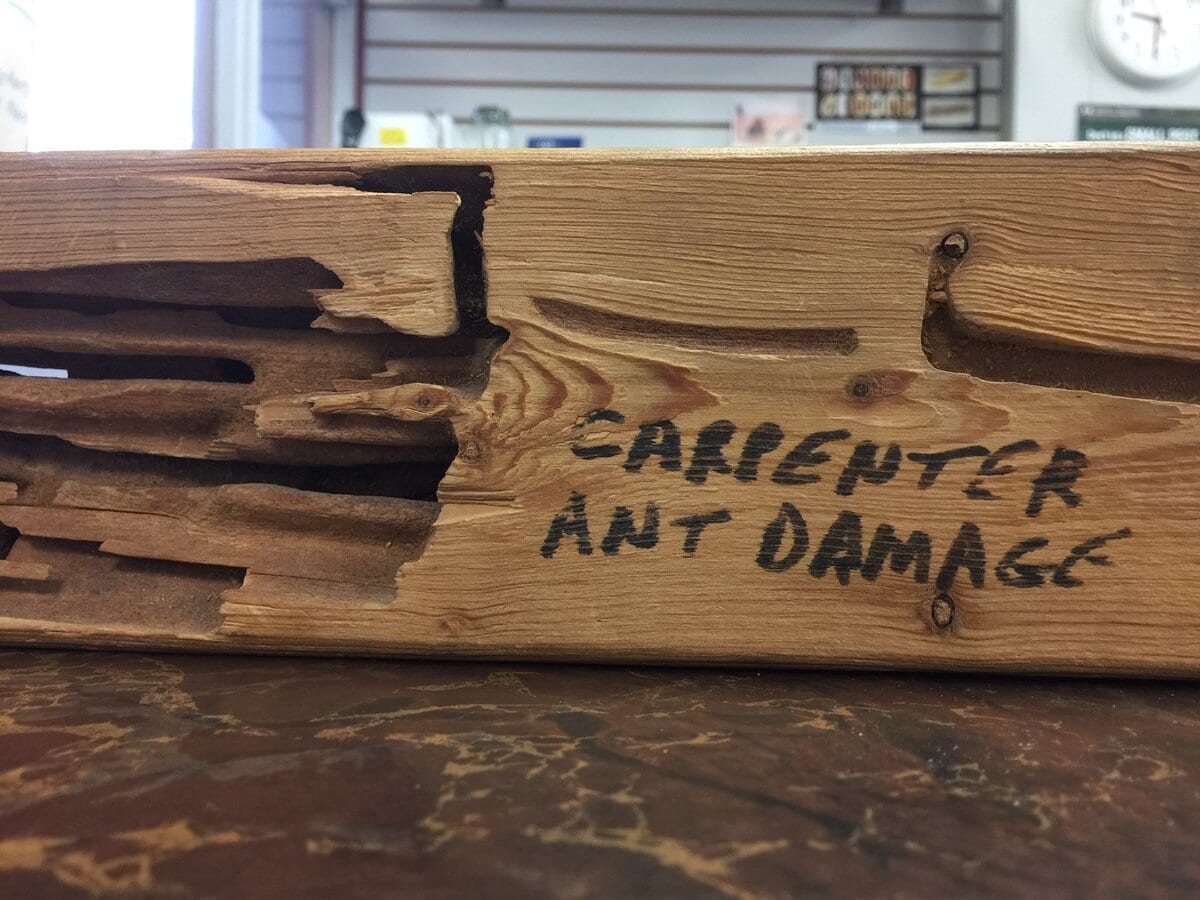
Carpenter ants do not eat wood, they excavate it to build nesting galleries. The smooth, channeled tunnels shown here are a clear indicator that a carpenter ant colony has been active inside the structure for some time. If left untreated, this damage can spread through framing, walls, and structural components, leading to costly repairs.
Carpenter Ant Biology & Behaviour
Carpenter ants are highly organized social insects that live in structured colonies made up of workers, a primary queen, and sometimes satellite reproductive members. Unlike nuisance ants, carpenter ants establish nests inside wood, preferring moist, decaying, or water-damaged areas within a structure.
Their behavior is driven by chemical communication (pheromones), which allows workers to travel efficiently between food sources, satellite nests, and the main colony. This is why carpenter ant activity often appears to increase rapidly once a nest becomes established.
Key biological characteristics of carpenter ants include:
Worker ants forage for food, expand galleries, and maintain the nest
Queens lay eggs and sustain long-term colony growth
Colonies can contain thousands of ants, often spread across multiple nesting sites
Satellite nests may exist inside walls, attics, crawlspaces, or rooflines
Moisture is a major attractant, especially around leaks, condensation, or damaged wood
Colonies can relocate or expand when disturbed by improper treatment
Understanding carpenter ant biology is critical for effective control. Surface sprays or DIY treatments often fail because they do not reach the hidden nest or satellite colonies. Improper methods can cause carpenter ants to relocate deeper into the structure, increasing damage and making the infestation harder to eliminate.
What Carpenter Ants Are Attracted To
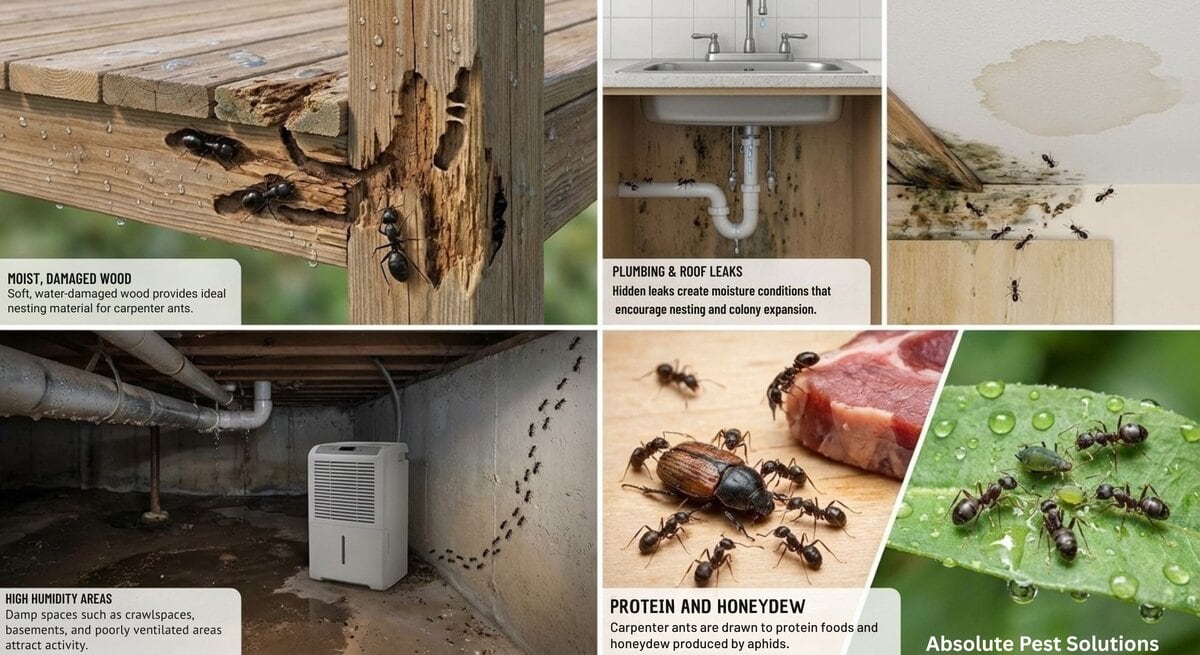
Carpenter ants are attracted to environments that provide food, moisture, and suitable nesting conditions. Unlike many ant species, they are not primarily drawn to sugar alone.
Common carpenter ant attractants include:
Moist or water-damaged wood
Leaking plumbing, roofs, or window frames
High humidity areas such as crawlspaces and basements
Protein sources like insects and meat residues
Honeydew produced by aphids on trees and vegetation near structures
Identifying and correcting these attractants is an important part of long-term carpenter ant prevention.
Risks & Damage Caused by Carpenter Ants
Carpenter ants pose a serious risk to homes and buildings due to their wood-excavating behavior. Over time, their tunneling activity can weaken structural components and spread silently through hidden areas of a property.
Potential risks include:
Structural weakening of framing, beams, and wall studs
Damage to window frames, door trim, and rooflines
Expansion into multiple satellite nests throughout the structure
Costly repairs if infestations are left untreated
Early detection and professional treatment are essential to prevent long-term structural damage.
Our Carpenter Ant Treatment Process
Inspection
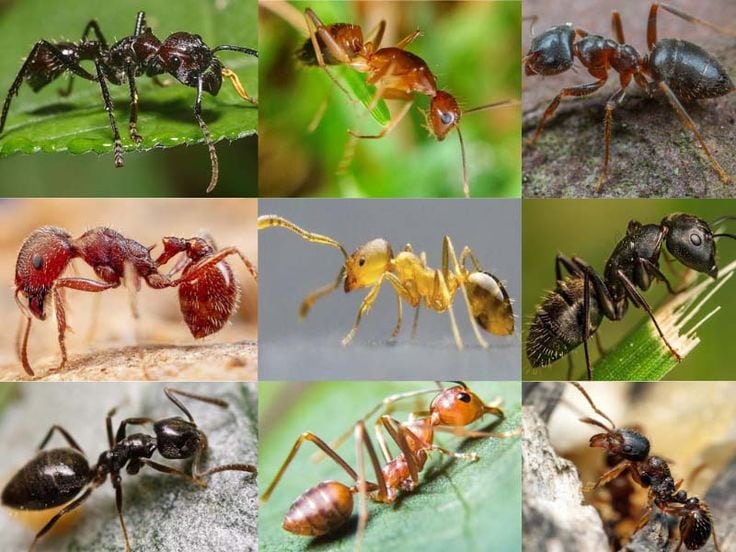
We conduct a thorough inspection to identify carpenter ant activity, locate the main nest and satellite colonies, assess moisture issues, and determine the extent of structural involvement.
Targeted Treatment Application
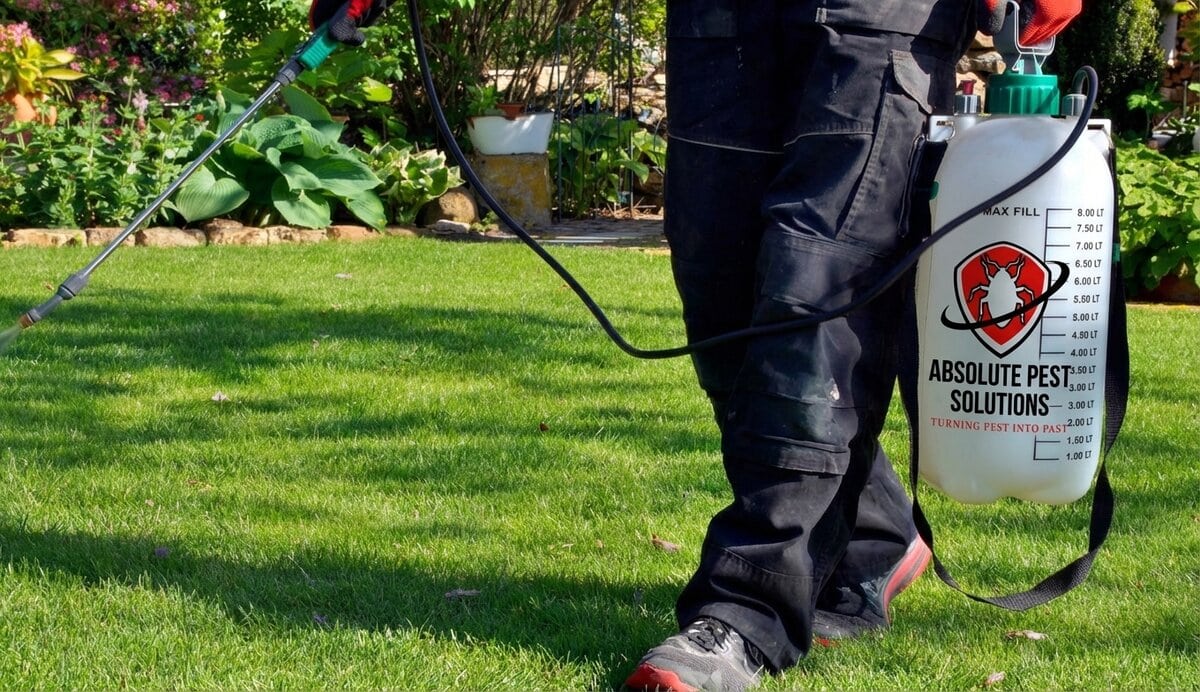
Using industry-approved products such as dusts, gels, and residual treatments, we apply targeted solutions directly to nesting areas, wall voids, and entry points.
Colony Elimination
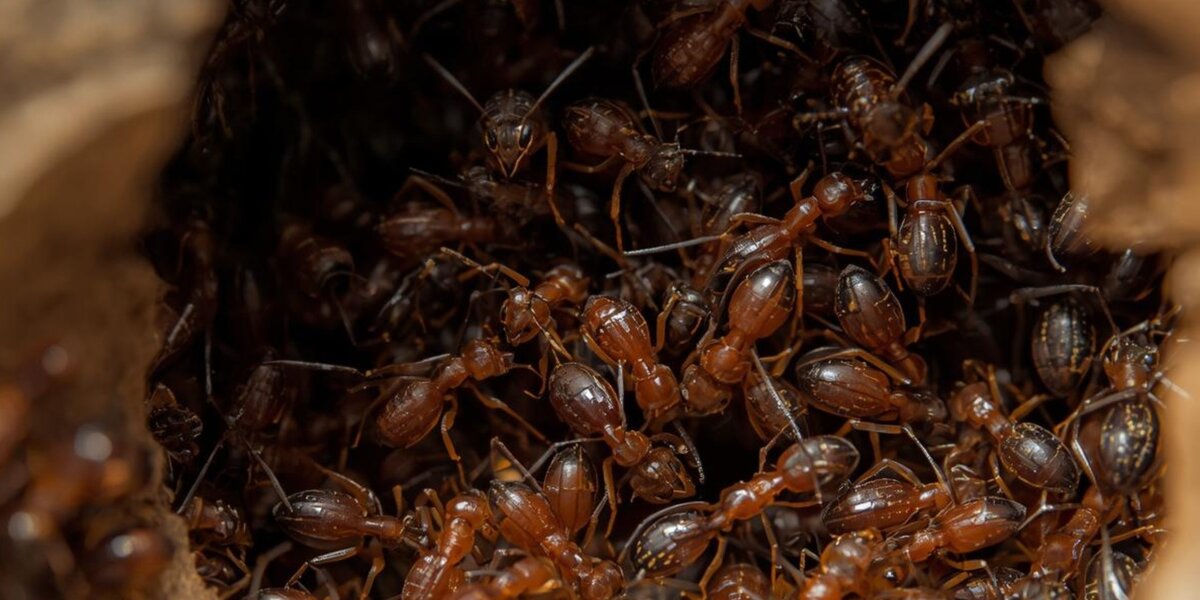
Our treatments are designed to reach deep into the colony, eliminating workers and queens to stop the infestation at its source, not just the visible ants.
Prevention & Follow-Up
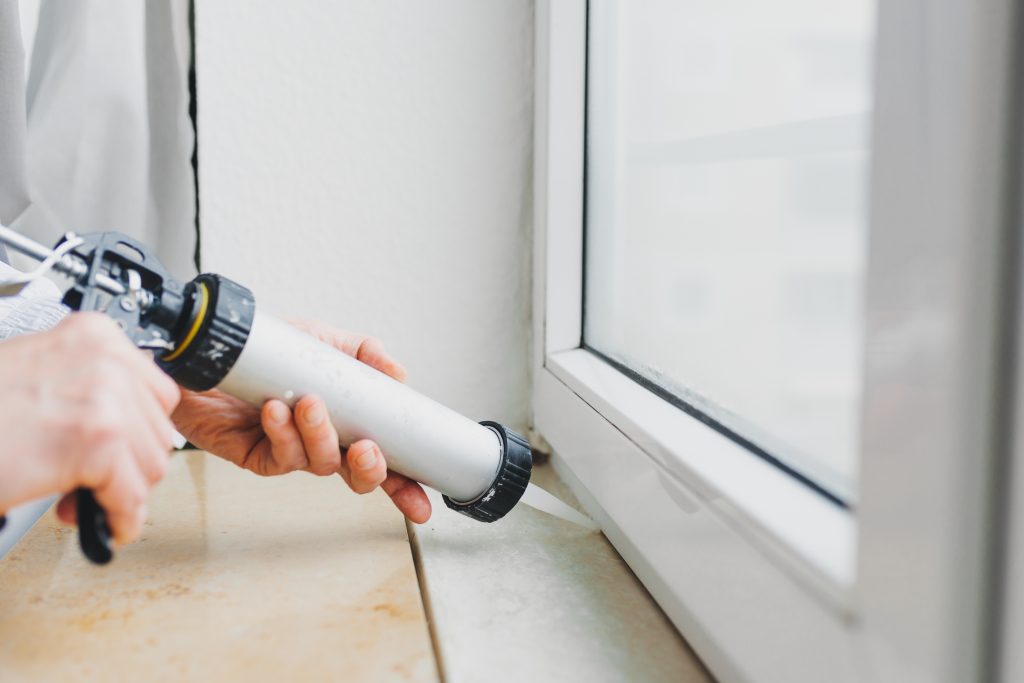
We provide moisture correction advice, exclusion recommendations, and optional follow-up services to prevent carpenter ants from returning.
FAQ – Carpenter Ant Control
Have questions about carpenter ant infestations, treatment methods, or safety? Below are answers to the most common questions we receive from homeowners and businesses dealing with carpenter ants.
1. Why do I suddenly have carpenter ants in my home?
Carpenter ants are attracted to moisture, damaged wood, and suitable nesting conditions. They commonly enter homes through rooflines, window frames, siding gaps, or foundation openings, especially where water intrusion or condensation is present.
Once a carpenter ant colony becomes established, activity may increase quickly as workers create satellite nests inside walls, attics, or crawlspaces. Visible ants indoors often indicate a hidden nest within the structure.
2. Will store-bought sprays get rid of ants?
No. Over-the-counter sprays only kill the ants you can see and do not eliminate the nest or queen. In many cases, DIY sprays can make the problem worse by causing carpenter ants to relocate deeper into the structure or create additional satellite nests.
3. How do I know if I have carpenter ants specifically?
Common signs of a carpenter ant infestation include:
Large black or red-and-black ants indoors
Small piles of sawdust-like debris (frass) near baseboards or window frames
Faint clicking or rustling sounds inside walls or ceilings
Wood that feels hollow, soft, or weakened
Carpenter ants do not eat wood; they excavate it to build smooth tunnels and galleries, which can compromise structural components over time.
4. Are carpenter ant treatments safe for children and pets?
Yes. We use approved products applied in a targeted, professional manner. Treatments are placed in specific areas such as wall voids, cracks, crevices, and exterior entry points to minimize exposure.
5. How long does carpenter ant treatment take to work?
Most customers notice a reduction in activity within 24–72 hours. Complete colony elimination may take several days depending on the size of the infestation, the number of satellite nests, and structural involvement.
Follow-up service may be recommended for larger or long-standing infestations to ensure full elimination.
🏠 Residential Carpenter Ant Control
Carpenter ants commonly infest homes through moisture-damaged wood, rooflines, crawlspaces, and wall voids. We provide professional residential carpenter ant control to eliminate colonies and protect your home’s structural integrity.
🏢 Commercial Carpenter Ant Control
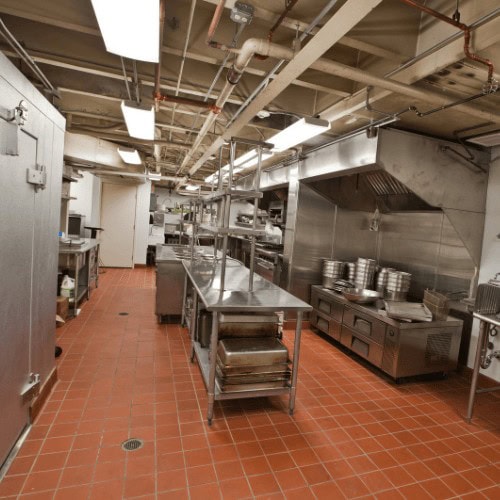
In commercial settings, carpenter ants can damage building infrastructure and create costly maintenance issues. We provide discreet, effective carpenter ant control for offices, retail spaces, restaurants, and multi-unit buildings.
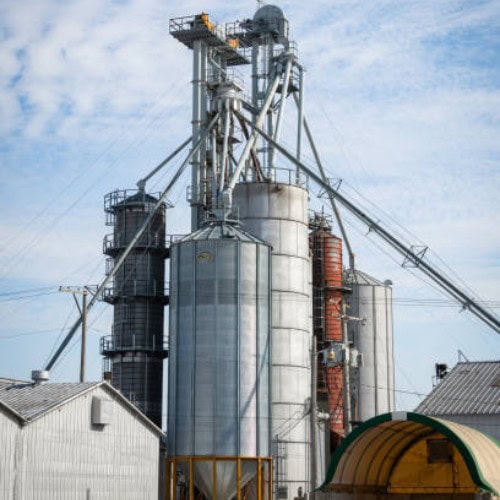
🏭 Industrial Carpenter Ant Control
Industrial facilities require compliant, long-lasting solutions. Our industrial carpenter ant control programs are designed to eliminate nesting activity while maintaining safety and operational standards.
🏠 Residential Carpenter Ant Control
Carpenter ants commonly infest homes through moisture-damaged wood, rooflines, crawlspaces, and wall voids. We provide professional residential carpenter ant control to eliminate colonies and protect your home’s structural integrity.
🏢 Commercial Carpenter Ant Control
In commercial settings, carpenter ants can damage building infrastructure and create costly maintenance issues. We provide discreet, effective carpenter ant control for offices, retail spaces, restaurants, and multi-unit buildings.
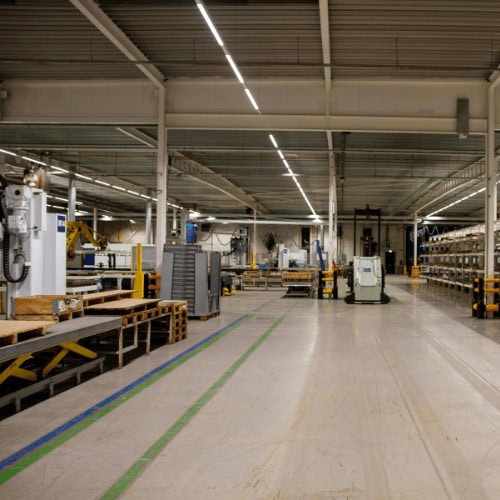
🏭 Industrial Carpenter Ant Control
Industrial facilities require compliant, long-lasting solutions. Our industrial carpenter ant control programs are designed to eliminate nesting activity while maintaining safety and operational standards.
Our Commitment to You
At Absolute Pest Solutions, we understand that dealing with pests can be stressful, disruptive, and sometimes overwhelming. Our commitment is to make the process simple, respectful, and effective from the moment you contact us until the problem is fully resolved.
You can expect:
Reliable, responsive service: We show up on time, communicate clearly, and treat every property with care.
Safe and responsible treatments: All products are approved and applied with your family, pets, and facility safety in mind.
Honest recommendations: No upselling, no unnecessary treatments, and full transparency about what you do or don’t need.
Long-lasting results: We focus on solving the root cause of the infestation, not just the visible activity.
Friendly, respectful technicians: Professional, trained, and dedicated to delivering real solutions.
Your home, business, or industrial facility deserves to feel safe and protected.
We stand behind our work and are committed to delivering reliable, professional pest solutions you can trust in every visit.

Service Areas We Proudly Serve
Absolute Pest Solutions delivers fast, reliable ant control across the Fraser Valley & Lower Mainland. Our team provides professional, safe, and long-lasting treatments for homes, businesses, and industrial facilities throughout the region.
📍 Fraser Valley
Abbotsford • Chilliwack • Mission • Hope • Agassiz • Harrison Hot Springs
📍 Langley & Surrounding Areas
Langley • Aldergrove • Fort Langley • Brookswood • Walnut Grove
📍 Ridge Meadows & Tri-Cities
Coquitlam • Port Coquitlam • Port Moody • Maple Ridge • Pitt Meadows
📍 Surrey & Delta Region
Surrey • South Surrey • Cloverdale • Delta • Ladner • Tsawwassen • White Rock
📍 Vancouver & Nearby
Vancouver • East Vancouver • West End • Burnaby • New Westminster • Richmond
📍 North Shore
North Vancouver • West Vancouver
We continue to expand our coverage to ensure fast response times and consistent, high-quality service across all communities.
Looking for treatment for other ant species? Visit our Ant Control Services page.
Book Your Carpenter Ant Service Today
Fast response times. Professional treatments. Long-lasting results.