
Raccoons · Squirrels · Moles · Property protection
Wildlife Control
Wildlife on a property is not always a problem—but animals entering a building or causing repeated damage need a considered response. Absolute Pest Solutions helps assess wildlife concerns across Greater Vancouver, the Lower Mainland and Fraser Valley, with species, dependent young and lawful methods taken into account.
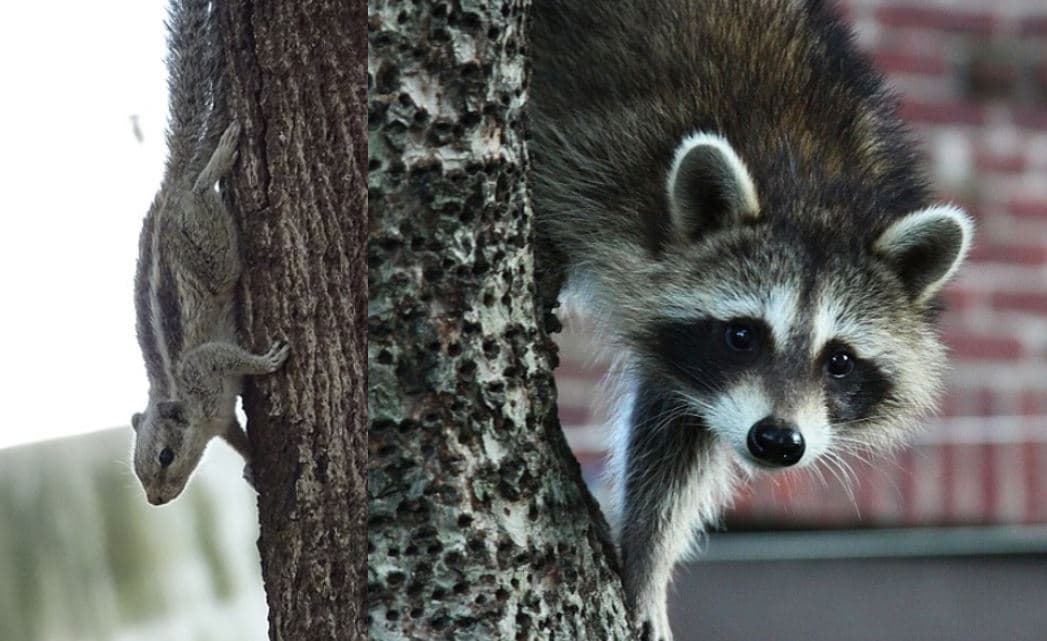
Explore our wildlife control guides
Find the right approach for the animal and the property. Choose a guide to learn about identification, access points, safe next steps and prevention.
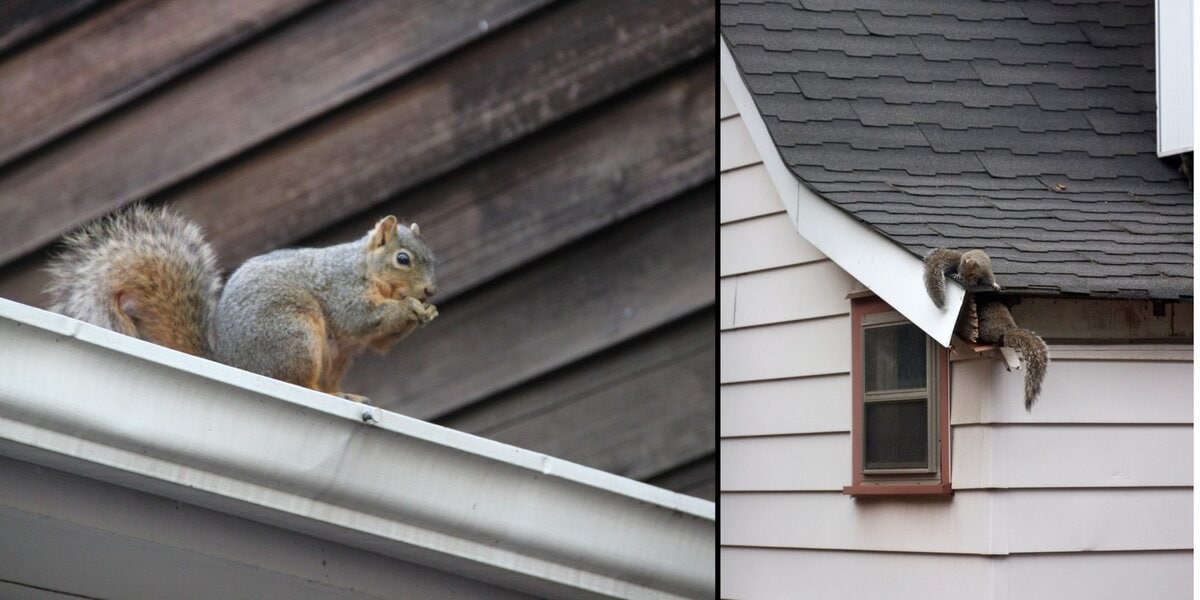
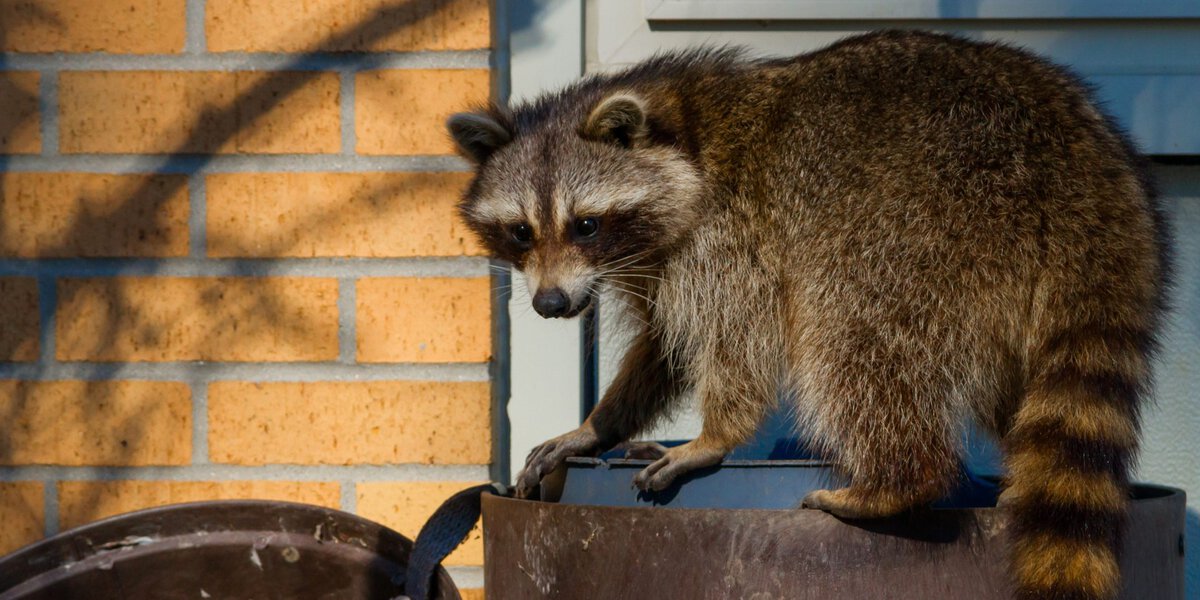
Raccoon Control
Dens, roof damage, nighttime activity and building exclusion.
Explore Raccoon Control →
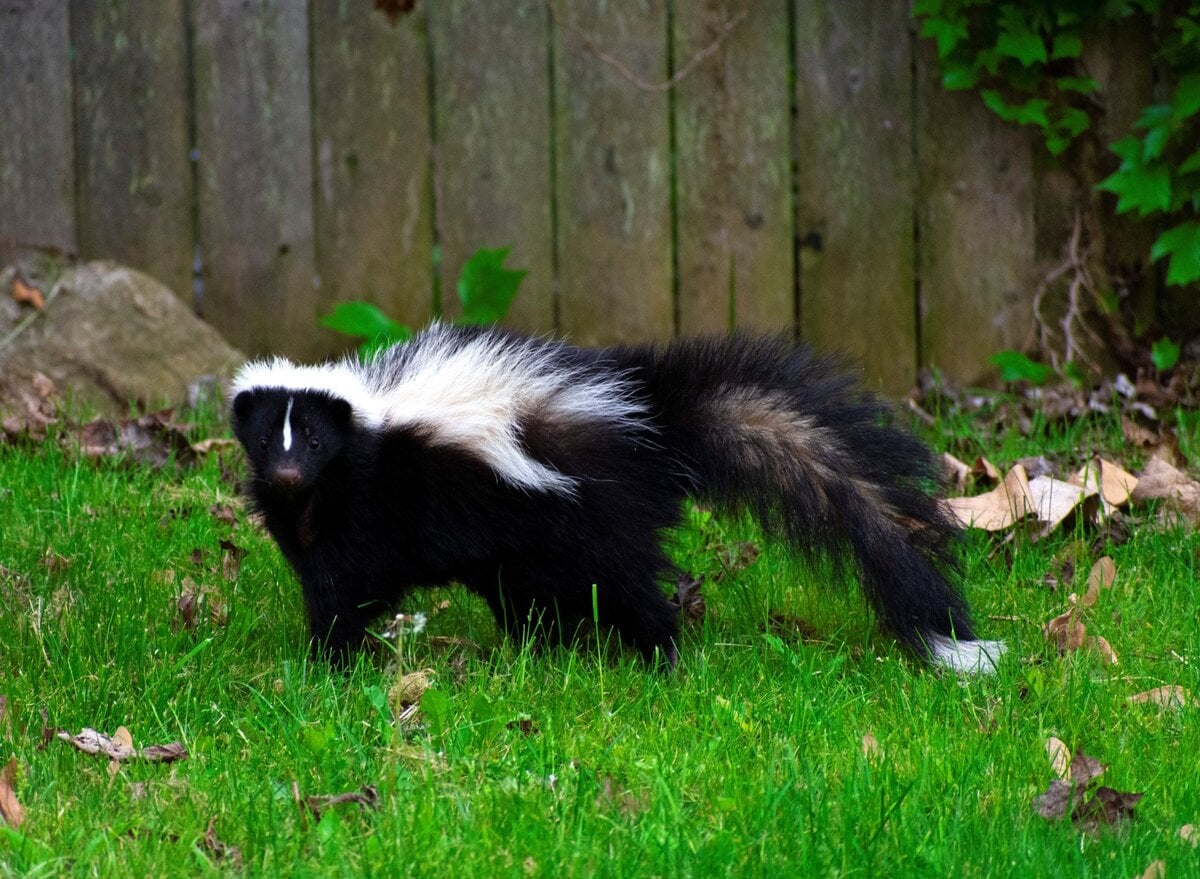
Have soil mounds or raised tunnels in the lawn? Read our Mole Control guide. For a general overview, browse the Pest Library.
In this guide: Identify the animalRaccoonsSquirrelsMoles and lawn activityExclusion and methodsCleanup and repairsPreventionFAQs
Understand the animal and the conflict first
Scratching, thumping, lawn mounds or a damaged opening are clues, not complete identification. The animal, location and evidence determine the appropriate next step. An animal briefly crossing the yard may need no intervention, while repeated entry into an attic can require assessment and building protection.
Observe from a safe distance. Record where activity occurs, when it happens and any visible access points without blocking them. Photographs of the location are useful, but do not approach an animal, climb onto a roof or reach into a den to obtain evidence. Keep pets away and avoid cornering wildlife.
An enquiry should identify the practical problem: building entry, nesting in an occupied structure, repeated property damage or an attractant drawing animals close to people. A service recommendation should not assume every wild animal must be trapped or removed. Coexistence and prevention may be sufficient when there is no significant conflict.
Injured or apparently orphaned animals need a different response from routine pest management. Consult an appropriate wildlife rehabilitator or the BC SPCA’s animal-in-distress guidance. Do not attempt to raise a wild animal as a pet or assume a youngster is abandoned because an adult is not immediately visible.
Raccoons around attics, decks and outbuildings
Raccoons can use sheltered spaces around buildings and may investigate food, waste and other accessible resources. A raccoon in the yard does not prove it is living in the attic. Repeated observations, an identifiable access point or evidence inside a structure help establish whether building-related work is needed.
Dependent young are an important consideration. Closing an opening or moving an adult without assessing the situation can separate a family or leave young inside. The BC SPCA’s raccoon coexistence guidance emphasizes prevention and avoiding separation of mothers and young. Timing should follow the actual site findings rather than a calendar assumption alone.
The Province of British Columbia’s raccoon information describes attractant management and the rules relevant to control. A pest-control booking is not permission to use any method on any animal. Species, location, authorization and current requirements must be considered before work is selected.
Tell us whether the animal appears to use a roof opening, deck space, garage or shed and whether unusual noises suggest more than one animal. The assessment should explain what can be accessed, what evidence remains uncertain and which repairs may be needed after the animal conflict is resolved.
Squirrels in rooflines, soffits and attics
Squirrel activity may involve an existing building defect or an opening that has been enlarged. Gnawing, nesting material and repeated use of a route can help guide inspection. Sounds alone do not distinguish squirrels reliably from rats or other animals, so the investigation should consider more than the time of day.
A plan may need to address several possible access points and the condition of nearby materials, not only the most obvious hole. Temporary barriers can fail when the surrounding surface remains damaged. A roof, electrical or structural concern should be assessed by the appropriate professional rather than treated solely as a pest issue.
As with raccoons, dependent young must be considered before exclusion. Do not close an active access point or install a one-way device without understanding what may remain inside. The BC SPCA’s squirrel guidance also explains why apparently orphaned or injured animals require appropriate wildlife advice.
When requesting service, include the affected roofline or room, observed access and any attempts already made to seal the area. Previous work can change the animal’s route and needs to be part of the assessment.
Moles, tunnelling and lawn mounds
Mole concerns are part of our broader wildlife enquiry process. Moles are not mice or rats, and a mound in a lawn should not automatically lead to rodent baiting. Their underground activity is associated largely with feeding on worms and other invertebrates. They can also provide ecological benefits, so the first question is the actual extent of conflict.
Health Canada’s moles and voles guide distinguishes mole tunnelling from vole activity. Voles are rodents with different feeding and surface-runway patterns. Several mounds do not necessarily indicate a large number of moles. Photographs of the mounds, surface runs and affected area help narrow the assessment.
Species identification is particularly important in the Fraser Valley. Townsend’s mole has a restricted Canadian range in the Abbotsford area and conservation considerations. The federal Townsend’s mole species assessment provides regional context. Conservation status and legal permission for a particular action are not interchangeable; applicable requirements must be checked for the actual species and location.
We can discuss the evidence, property use and whether assessment, prevention advice or referral is appropriate. We do not promise that every mole concern can or should be treated in the same way. Do not pour chemicals or fuel into tunnels, flood a burrow or apply products intended for another animal.
Where the concern is mainly appearance, the response may focus on understanding and managing the affected area rather than attempting to remove wildlife indiscriminately. Explain whether the damage affects a lawn, garden, access route or commercial landscape so recommendations reflect the actual use of the property.
Exclusion, trapping and lawful methods
Durable prevention generally requires addressing the access or attractant that created the conflict. Removing one animal without repairing an accessible opening can leave an opportunity for another. A proposed plan should explain the method, site access, animal-welfare precautions and the checks needed before permanent sealing.
Exclusion must not trap animals inside
Confirming occupancy and considering dependent young come before closing access. One-way devices are not suitable for every situation and can be harmful if used without proper assessment. Where exclusion is appropriate, the sequence should include monitoring and a final check before the permanent repair is considered complete.
Trapping is not an automatic relocation promise
Capture, handling and relocation involve species-specific rules and animal-welfare concerns. Moving an animal does not resolve the original attractant and may separate young or expose the animal to unfamiliar hazards. The BC SPCA’s humane-control guidance explains the importance of prevention and the limitations of relocation. We do not promise distant release as a universal solution.
Building work and access requirements
Screening, vent protection and repair materials should suit the opening while preserving drainage, ventilation and required clearances. Extensive roofing, electrical repairs, insulation replacement and specialist access may need separate contractors. The pest-control quotation should identify these limits rather than imply that all building restoration is included.
Do not poison unidentified wildlife or improvise removal. Keep children and pets away, avoid direct handling and seek appropriate advice. A wildlife enquiry may require referral, authorization or a different timing rather than an immediate removal service.
Droppings, nesting material and repairs
Animal removal, contamination cleanup and restoration are separate scopes. Droppings, urine, carcasses and contaminated insulation require an assessment of the material, access and potential exposure. Do not treat a significant accumulation as ordinary household dust or use a domestic vacuum to investigate it.
Ask what cleanup is included, how the area will be isolated where needed and whether specialist remediation is required. A pest-control visit does not establish that contaminated insulation, electrical damage or roof defects have been resolved. Appropriate contractors may need to assess those conditions before the space is used or closed up.
After the conflict is addressed, inspect the completed exclusion work and follow the agreed monitoring instructions. Report continued noise, fresh droppings or new damage promptly rather than sealing additional openings yourself. A dead-animal concern or persistent odour may require a separate investigation.
Reducing attractants and future access
Secure waste, manage compost appropriately, avoid leaving pet food outdoors and clean spilled birdseed. Review sheltered storage and accessible building defects. These changes can reduce repeated conflict without assuming that animals must disappear from the surrounding neighbourhood.
The City of Abbotsford’s living-with-wildlife information emphasizes managing attractants. For strata and commercial properties, make responsibilities clear: who reports damage, who maintains waste areas and who approves repairs. A prevention plan is easier to sustain when it is tied to ordinary property maintenance.
Check exclusion systems after repairs or renovations. A contractor opening a soffit or moving equipment can unintentionally create new access. Keep records of the areas protected and any outstanding recommendations so later maintenance does not undo the work.
What affects the cost of wildlife work?
The species, occupancy, access height, number of openings, evidence of young and proposed monitoring all influence the service. Cleanup, building repair, specialist access and permits may be separate. A mole enquiry in a lawn is a different assessment from a raccoon family inside a roof cavity.
Provide your community, property type, photographs and a brief history of observations. Ask which assessment, exclusion, follow-up and repair tasks are included and what conditions apply to any warranty. A responsible quotation should acknowledge uncertainty and access limits rather than promise the same result for every animal.
Wildlife control FAQs
Can you help with moles as well as raccoons and squirrels?
Mole concerns can be discussed through our wildlife assessment enquiry. Species, location, property use and applicable requirements need to be considered before a method is proposed. Some situations may call for prevention advice or referral rather than direct control.
Should I close the hole while the animal is outside?
Not without assessing whether other animals or dependent young remain inside. Closing an active opening can trap animals or cause them to seek another route. Follow an agreed exclusion sequence rather than making an opportunistic repair.
Will you relocate the animal far away?
Distant relocation is not a universal or automatically lawful solution. Species rules, animal welfare and dependent young matter, and relocation does not fix the access problem. The method and legal requirements must be assessed for the specific case.
What if there are babies in the attic?
Do not disturb them or seal the entrance. Inform the service provider immediately so the plan can account for the family. Wildlife rehabilitation advice may be needed if young appear injured or genuinely orphaned.
Does noise at night prove I have raccoons?
No. Timing is one clue, but several animals and building conditions can produce sounds. Inspection, observed access and other evidence are needed before selecting a wildlife or rodent control plan.
Is cleanup included with animal removal?
Only when explicitly included. Contamination removal, insulation replacement and structural repairs may require separate services. Ask for the scope in writing so an animal-management visit is not mistaken for complete restoration.
Can I keep a young wild animal until it grows?
Do not attempt to raise wildlife as a pet. An apparently alone youngster may still have a parent nearby. Obtain advice from a suitable wildlife rehabilitator or the BC SPCA before intervening.
Wildlife enquiries across Greater Vancouver, the Lower Mainland and Fraser Valley
We discuss property concerns in Abbotsford, Chilliwack, Mission, Langley, Surrey, Delta, Burnaby, Coquitlam, Vancouver and surrounding communities. Service feasibility depends on the animal, site and proposed work. For house rodents, see mice and rat control; for roosting or nesting birds, see bird and pigeon control. All categories are available in the Pest Library.
Further reading: BC SPCA guidance on raccoons, squirrels and humane control; Health Canada: Moles and voles; Federal Townsend’s mole assessment; City of Abbotsford: Living with wildlife. Applicable species-specific legal requirements must be checked before action.
Resolve the conflict without guessing at the animal.
Email your wildlife enquiry with your city, the animal if known, where activity occurs and any previous sealing or repair attempts. Share photographs only if they can be taken safely without approaching the animal. We will discuss the appropriate assessment, access considerations and next step; a telephone call is not required.
Moles in your lawn or landscaped areas?
Fresh soil mounds and raised ridges need a different assessment from raccoon or squirrel activity. Visit our Mole Control guide for signs to document, local species considerations, inspection options and practical service expectations.
MORE WILDLIFE & LANDSCAPE GUIDES
Bird concerns or signs of vole activity?
Different animals require different assessments. Explore these guides before choosing a control or exclusion method.
Bird & Pigeon Control
Learn about roosting, building access, deterrents and exclusion planning, including the need to consider species and active nests before work.
Vole Control & Removal
Surface runways and plant damage may involve voles rather than moles. Review identification, property assessment and practical prevention options.
For a property-specific assessment, request a wildlife quote or find your service area.