
Inspection · Trapping · Exclusion · Follow-up
Mice & Rat Control
Catching a rodent is only part of the job. Absolute Pest Solutions helps Fraser Valley and Lower Mainland properties investigate activity, reduce access and monitor what happens next.
In this guide: IdentificationSigns and entry pointsControl planFollow-up visitsCleanup safetyPreventionCost factorsFAQs
Mice, rats and other animals need different assessments
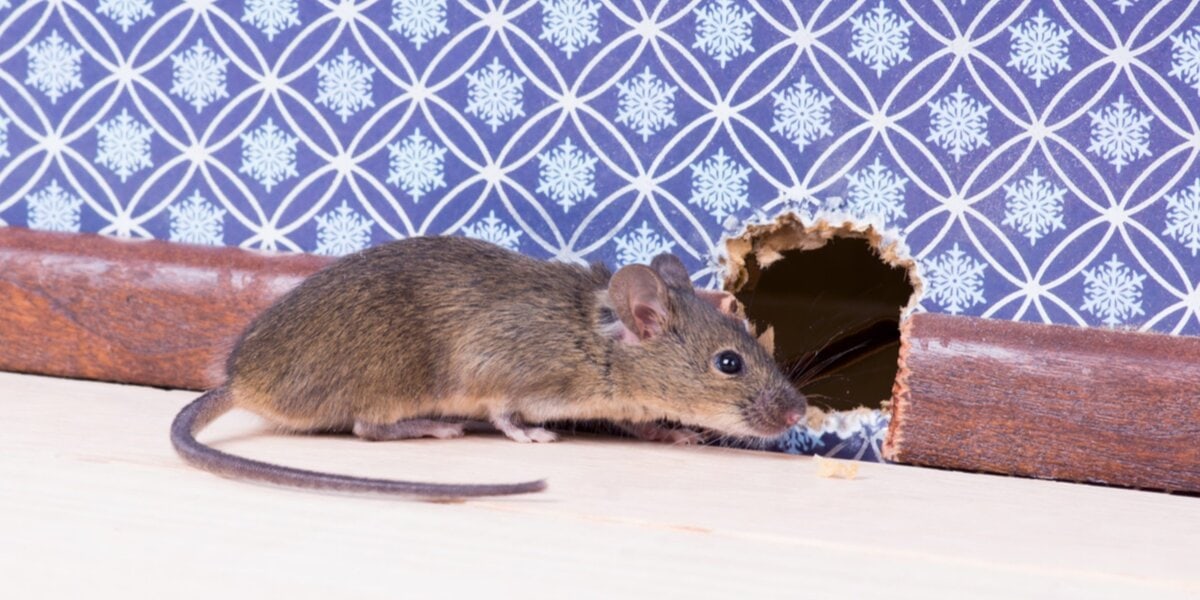
Scratching sounds do not identify an animal by themselves. A mouse, rat, squirrel or another animal may use a concealed space, and the service approach changes with the species. Photographs, droppings, tracks, gnawing and the location of activity can help establish what is present.
House mice and deer mice are different animals. Norway rats and roof rats also differ in habits and the places they commonly occupy. A rat is not simply a large mouse for treatment purposes: device choice, placement and behaviour matter. Health Canada’s rats and mice guidance provides identification background and explains why food, shelter and entry access are central to the problem.
Describe when noises occur, which rooms are affected and whether anyone has seen the animal. An exterior sighting does not automatically prove an indoor infestation, while a quiet period does not prove every animal has left. The goal is to connect the evidence with the property rather than assume the largest possible infestation.
If the evidence suggests raccoons, squirrels or moles rather than house rodents, see our wildlife control guide. Do not use rodent products on an unidentified animal.
Signs of activity and likely access routes
Fresh droppings, damaged food packages, gnaw marks, nesting material and repeated sightings are useful evidence. A single old dropping cannot establish when activity occurred. Record what is being found and where, without disturbing contaminated areas. Photos and a room-by-room history help make the inspection more focused.
- Ground-level access: damaged door seals, garage corners, utility penetrations and gaps in the building envelope.
- Concealed connections: accessible wall, floor and service openings that may connect rooms or units.
- Higher access: roofline defects, vents and vegetation that may provide routes for climbing animals.
- Attractants: accessible waste, food, pet feed, birdseed, clutter and sheltered outdoor storage.
Not every gap should simply be filled. Weep openings, drainage and ventilation have a purpose, and fire-rated or service penetrations may require suitable repair methods. Exclusion needs to discourage animals without creating a moisture, airflow or building-safety problem. Some defects are best addressed by a qualified contractor.
Rodent control combines removal, exclusion and prevention
A useful plan explains the evidence, the areas to be serviced, device placement, accessible entry-point work and the intended follow-up. Our rodent abatement service describes how this treatment-and-monitoring process may be scoped. The objective is not to leave equipment everywhere; it is to place appropriate controls where they can be monitored and to reduce conditions that permit continued activity.
Trapping and monitoring
Suitable traps can be an important control method when selected and positioned for the identified rodent and the site’s risks. Devices must be protected from children, pets and non-target wildlife. Monitoring helps assess where activity continues and whether placements need adjustment. Do not move, open or add bait to professional equipment without instructions.
The Province of British Columbia emphasizes prevention and alternatives such as appropriate trapping. The number of devices alone is not a reliable measure of service quality: placement, checking, records and follow-through matter.
Exclusion and repairs
Accessible gaps may be addressed with durable, suitable materials where included in the quotation. Read about our rodent exclusion and entry-point sealing service to understand why repair methods and monitoring need to be coordinated. A door sweep, vent protection and a utility opening require different solutions. Expanding foam alone should not be assumed to provide a durable rodent barrier. Any sealing sequence should consider animals already inside and retain a plan for checking remaining activity.
Rodenticides are not a default answer
Rodenticides can pose risks to people, pets and wildlife, including secondary poisoning. British Columbia restricts second-generation anticoagulant rodenticides; a pest-control licence is not blanket permission to use them at every property. Where any rodenticide is proposed, its use must meet current legal requirements and the product label, with alternatives and site risks considered. See the province’s rodenticide rules for the current framework.
What happens during rodent follow-up visits?
Follow-up is where the plan is checked against actual results. Depending on the service scope, a technician may inspect and service devices, remove captured rodents, review fresh evidence, adjust placements, recheck repaired openings and identify outstanding attractants or access defects. Findings should guide the next step rather than automatically repeat the first visit.
Keep a dated record of sightings and sounds between visits. Report new rooms with activity, damaged equipment or changes to doors and construction. Ask how often devices need checking, who is responsible between appointments and what to do if a pet accesses equipment. The follow-up schedule and any warranty terms should be stated in your quotation; they are not the same for every property.
For restaurants, warehouses and strata properties, continuity is especially important. Staff or residents need a simple reporting route, while maintenance teams need clear exclusion recommendations. Ongoing prevention may be more appropriate than treating each new sighting as a separate emergency.
Rodent droppings and contaminated spaces: avoid dry cleanup
Do not dry-sweep or vacuum rodent droppings, urine or nesting material before appropriate disinfection. Disturbing contaminated dust can create exposure risks. Keep people and pets away from the area and follow public-health cleanup guidance, including suitable protective equipment and product directions. Never mix disinfectants or improvise concentrations.
The CDC’s rodent cleanup guidance distinguishes routine small-area cleaning from heavy contamination requiring additional precautions. Attic insulation, ventilation systems, large accumulations or difficult access may need specialist cleanup. Pest removal, decontamination, insulation replacement and structural repairs are different services and should be scoped separately.
If exposure or poisoning is suspected: seek advice promptly from an appropriate medical, poison-information or veterinary service. Keep the product label available when a pesticide is involved. Pest-control advice is not a substitute for medical assessment.
Reducing the chance of another infestation
Make food and shelter harder to obtain: protect stored ingredients and pet food, manage waste, clear spilled birdseed and maintain accessible storage areas. Inspect worn door seals and report leaks or damaged vents. Coordinate exterior conditions with neighbours or property management where shared waste facilities or building connections are involved.
Do not treat a successful trapping period as the end of maintenance. Building movement, deliveries, renovations and worn seals can create new openings. A practical inspection routine after repairs or changes is more useful than assuming the property has become permanently rodent-proof. Prevention recommendations should be realistic for the way the site is used.
What affects rodent control costs?
Important factors include species, extent of activity, property size, access, the number and nature of entry points, equipment requirements and follow-up. A basement suite with one accessible opening is not the same scope as a large multi-level building with roofline defects. Cleanup, insulation work, extensive construction and specialist access may be additional.
Before approving work, confirm which inspection areas, devices, follow-ups and accessible exclusion tasks are included. Ask about inaccessible openings, ongoing maintenance and the conditions of any warranty. Send photographs and a short activity history when requesting a quotation, but do not enter unsafe spaces to obtain them.
Before the first rodent-control appointment
Useful information helps us plan a visit without assuming that every sound or dropping has the same cause. Tell the office which rooms are involved, when activity began, whether you have seen an animal and if traps or previous sealing work are already in place.
- Inspection area: confirm which accessible interior and exterior areas are within the agreed service.
- People and pets: mention children, animals, shared spaces and any access restrictions before devices are selected.
- Follow-up: ask how new activity should be reported, which visits are included and who checks any installed equipment between appointments.
- Additional work: confirm whether sealing, deep cleanup, insulation replacement or specialist repairs require separate authorization.
If the pest is not yet identified, start with a home pest inspection. For active mice or rats, compare the rodent abatement program with separately scoped entry-point sealing.
Mice and rat control FAQs
Does one mouse mean there are many more?
It indicates activity, but a single sighting cannot establish the population. Inspection and monitoring help assess the extent. Respond to the evidence without assuming either that it is harmless or that a large infestation is certain.
Can you seal the entry points as well as treat rodents?
Accessible exclusion work can be discussed as part of the quotation. The materials, location and building function matter, and some defects require a contractor. Confirm exactly what is included rather than assuming all structural repairs are covered.
Will bait make rodents leave the building to die?
No such outcome should be promised. A rodent can die in an inaccessible location, creating an odour or further cleanup problem. Treatment decisions should consider that possibility, applicable restrictions and alternatives rather than rely on that common myth.
Is a pet-friendly rodent treatment completely risk-free?
No control method should be described as risk-free. The plan should account for pets, children and wildlife, protect equipment and explain access restrictions. Tell us about your animals before service and contact a veterinarian promptly after suspected exposure.
Why are follow-up visits necessary?
They allow devices and evidence to be checked, placements adjusted and exclusion recommendations reviewed. A reduction in sightings is encouraging but should be assessed alongside monitoring and conditions at the property.
Can I vacuum the droppings before the inspection?
Do not dry-vacuum or sweep rodent contamination. Photograph it without disturbance and obtain appropriate cleanup advice. Heavy contamination, insulation and ventilation systems need more than ordinary household cleaning.
Do you handle commercial and strata rodent problems?
Yes. We can discuss inspection, monitoring, follow-up and prevention for the property. Access permissions, operating hours, shared areas and reporting responsibilities should be clarified so the plan is workable.
Rodent service for local properties
We assist customers in Abbotsford, Chilliwack, Mission, Langley, Surrey, Delta, Burnaby, Coquitlam, Maple Ridge, Vancouver and surrounding Fraser Valley and Lower Mainland communities. See rodent control services by city for local guidance. For a recurring business issue, explore maintenance programs. For a different animal, review wildlife control or return to the Pest Library.
Plan for the rodents—and the way they got in.
Tell our office where activity is occurring and what you have noticed. We will discuss an assessment and clarify the proposed treatment, exclusion and follow-up scope.