
Evidence first · Careful preparation · Follow-up
Bed Bug Treatment
Suspected bed bugs deserve a careful inspection—not a guess based on itching. Absolute Pest Solutions helps homes, rental properties and businesses across Greater Vancouver, the Lower Mainland and Fraser Valley plan an appropriate response.
In this guide: IdentificationInspectionPreparationTreatment planningAfter treatmentPreventionQuotationsFAQs
Confirm the evidence before choosing a treatment
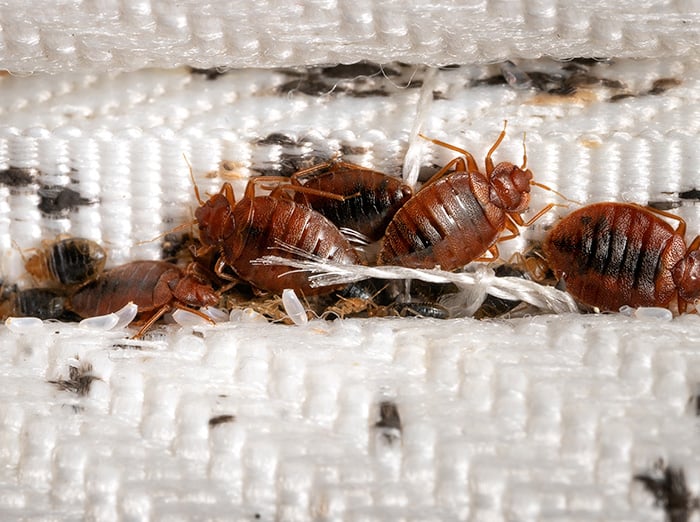
Adult bed bugs are small, flat, oval insects, generally brown to reddish-brown. Young stages are smaller and can be harder to see. They do not fly or jump. Useful evidence includes an identifiable insect, shed skins, eggs or characteristic spotting associated with a harbourage. A stain or skin mark by itself is not enough to identify the cause.
Reactions to bites vary, and some people show little or no visible reaction. Bed bugs are not known to transmit disease, but infestations can disturb sleep and cause considerable stress. Persistent or severe skin symptoms belong with a healthcare professional. Health Canada’s identification guide provides reliable background without treating a bite pattern as a diagnosis.
Bed bugs can hitchhike in luggage, furniture and other belongings; their presence is not proof of an unclean home. If you find a possible specimen, contain it securely and photograph it clearly. Note the room, item and date. Avoid moving suspect furniture into hallways or another bedroom before obtaining advice.
Other pests and non-pest conditions may explain similar concerns. Compare our flea and carpet beetle guides, but let the evidence—not the most worrying possibility—guide the decision.
What a bed bug inspection can establish
An inspection reviews reported activity and accessible hiding places associated with sleeping or resting areas. Depending on access, this may include mattress seams, the bed frame, headboard, nearby furniture, upholstery and relevant cracks. Explain where people sleep or rest regularly, when signs began and whether used furniture or travel preceded the concern.
The service scope should describe which rooms and belongings will be examined and whether the inspection is visual or includes additional monitoring. Concealed, inaccessible or very early activity can limit what one visit establishes. A negative visual finding is useful information, but it is not a permanent guarantee that a property is bed-bug-free.
In apartments, strata buildings and hospitality settings, the investigation may require coordination with management and consideration of nearby rooms or shared routes. Do not assume that treating one reported bed settles every building-wide question. Access permissions and communication responsibilities should be clear before work begins.
Privacy concerns can be discussed with the office when scheduling. Ask about practical arrangements rather than assuming a particular vehicle, uniform or inspection method is available. The priority is respectful communication and a clear plan based on the evidence.
Preparation: protect clean items and avoid spreading activity
Follow the preparation list for the service actually booked. A general online checklist should not override instructions for your property. Tell us early if health, mobility, storage or laundry access makes preparation difficult; those limitations need to be considered rather than discovered at the appointment.
- Contain before moving: use suitable sealed bags or containers when transporting suspect laundry or items through the property.
- Separate clean and unassessed belongings: prevent cleaned items from being returned to an affected storage area unnecessarily.
- Improve access carefully: reduce clutter without carrying loose suspect objects into unaffected rooms.
- Follow item-care directions: laundering or dryer treatment must be suitable for the material and the treatment instructions.
The US EPA’s preparation guidance explains containment, access and the role of appropriate heat treatment for washable belongings. It does not mean that every object should be put in a dryer or that a room can be safely heated with household equipment.
Do not discard a mattress automatically. Assessment may identify a workable approach for the item, and moving it uncontained can spread activity. If disposal is recommended, plan containment and handling so the item is not reused or carried through shared areas without protection.
Avoid improvised treatments. Do not use flammable liquids, outdoor pesticides, ovens or portable heaters to treat an infestation. Repeated fogging or spraying without a plan can add hazards and make assessment harder. Tell the technician everything already applied.
What a professional treatment plan should explain
A plan should identify confirmed or suspected activity, affected rooms, accessible harbourage and the methods appropriate to the site. Physical removal, targeted registered products, monitoring and other suitable measures may have different roles. Not every service includes whole-room heat treatment, furniture disposal or invasive building work; ask what is actually proposed.
Bed bugs can occupy tight hiding places, and eggs or missed harbourage can complicate control. That is why preparation and follow-up need to be discussed alongside the initial application. EPA guidance on integrated bed bug management describes the value of combining suitable methods rather than expecting an instant, universal solution.
Any pesticide used here must be registered for the intended Canadian use and applied according to its label. Not all products are suitable for mattresses, bedding or upholstered surfaces. Occupant and pet arrangements, re-entry restrictions, ventilation and cleaning instructions depend on the actual method and must be provided for the booked service.
Health Canada’s treatment guidance is a useful reference for evaluating methods and avoiding unregistered or inappropriate products. Claims such as “one visit always solves it” or “completely harmless” do not replace a property-specific plan.
After treatment: monitoring and meaningful follow-up
Keep your written instructions available and follow the specified arrangements for re-entry, cleaning and use of treated rooms. Do not add a retail pesticide, remove a recommended encasement or move monitoring equipment without advice. Report new evidence with the location and date, and preserve a specimen where practical.
Follow-up may include reinspection, review of monitors and additional work where justified by the plan. Continuing skin irritation alone does not establish treatment failure, just as a short period without bites does not establish elimination. Assessment should consider physical evidence and the property history.
Ask how many visits are included, when follow-up is expected and what conditions apply to any service warranty. New introductions, incomplete access or unaddressed adjoining areas can affect outcomes. Health Canada’s post-treatment advice reinforces continued attention to prevention and monitoring.
Prevention for households, rentals and hospitality
Inspect second-hand furnishings before bringing them inside and avoid collecting discarded upholstered items. During travel, inspect the sleeping area and manage luggage thoughtfully. After a known exposure, obtain advice about belongings before moving them through several rooms. No inspection routine provides an absolute guarantee, but it can reduce avoidable introductions.
For a rental or strata property, report suspected evidence promptly through the appropriate management channel. Keep communication factual and avoid blaming an occupant based on an infestation. Hotels and other accommodation providers benefit from consistent staff reporting, containment procedures and coordinated inspection rather than moving suspect furnishings between rooms.
Read Health Canada’s prevention guidance for additional travel and household considerations. Building-specific responsibilities and access arrangements should be confirmed with the relevant owner or manager.
What affects bed bug treatment costs?
The number of rooms and sleeping areas, extent of evidence, furniture complexity, preparation, access and proposed follow-up influence the scope. An inspection-only appointment differs from a treatment program. Ask whether adjacent areas, encasements, repeat visits or additional services are included rather than comparing quotations only by a headline price.
When contacting our office, provide the property type, community, number of affected rooms, signs observed and any prior treatment. You do not need to diagnose the insect before asking for help. We can discuss whether inspection is the appropriate first step and clarify the proposed work in writing.
Suspected bed bugs in upholstered or valuable furniture
An older sofa, upholstered chair or valuable furnishing does not automatically need to be discarded because bed bugs are suspected. Inspection of seams, cushions, frames and nearby hiding places helps establish what was actually found and whether the material and construction permit a suitable response.
Before moving furniture between rooms or arranging upholstery cleaning, explain the situation to the service technician. Unplanned movement may spread activity, and cleaning or moisture exposure can damage delicate materials or interfere with the chosen service.
- Document the evidence: provide clear photographs of insects or signs around accessible seams and furniture legs.
- Explain the item: disclose delicate upholstery, antique construction, special finishes and any professional-cleaning restrictions.
- Confirm the proposed method: ask which items and areas can be included and which specialist conservation or cleaning work is outside the pest-control scope.
- Plan follow-up: confirm what to monitor, which return visits are included and when a persistent sign should be reported.
For an office-reviewed appointment enquiry, see Bed Bug Treatments — Service Enquiries. Read the general preparation guide, then follow the instructions provided for your actual treatment; not all furnishings can be treated the same way.
Bed bug treatment FAQs
Can bites confirm bed bugs?
No. Bite appearance and reactions vary, and other causes can look similar. An identifiable insect or other physical evidence is important. Seek healthcare advice for concerning symptoms and arrange pest assessment based on the property evidence.
Should I start sleeping in another room?
Discuss sleeping arrangements with the technician rather than moving bedding and belongings around impulsively. Moving suspect items can spread activity, and the treatment plan may depend on the room’s use. Do not stay in an area during a required vacancy period.
Does a new mattress solve the problem?
Not necessarily. Bed bugs may be in the frame, nearby furniture or other harbourage. Replacing one item without assessment can leave the infestation in place and expose the new item. Obtain advice before disposal or delivery.
Are children and pets allowed to remain during treatment?
That depends on the specific method, product label and service instructions. Tell us about all occupants and animals before booking. Follow the written vacancy and re-entry directions; do not rely on a general online waiting time.
Do you guarantee elimination after one visit?
No universal one-visit outcome should be assumed. Inspection findings, access, preparation, follow-up and possible new introductions affect results. Any included visits and warranty conditions must be confirmed in the quotation.
What if the inspection finds no evidence?
The finding should be documented with the inspection’s scope and limitations. Further monitoring or reassessment may be appropriate if credible new evidence appears. Unexplained itching should not automatically lead to repeated pesticide treatment.
Can you work with a building manager or hotel?
Yes. Discuss the reporting process, affected areas, access and occupant arrangements with our office. A coordinated plan can address preparation and follow-up more effectively than treating disconnected complaints without shared information.
Local bed bug inspection and treatment enquiries
Absolute Pest Solutions serves Abbotsford, Chilliwack, Mission, Langley, Surrey, Delta, Richmond, Burnaby, Coquitlam, Vancouver and surrounding Fraser Valley and Lower Mainland communities. Browse bed bug treatment by city for local information. For a property-wide enquiry, see our commercial services. For other suspected insects, return to the Pest Library.
Further reading: Health Canada on identification, control and prevention; US EPA on preparation and integrated management. Canadian requirements and the instructions for your booked service govern treatment.
Get clarity before taking the next step.
Share the evidence and affected rooms with our office. We will discuss an inspection or treatment enquiry respectfully and explain the preparation and scope involved.