
Life-cycle awareness · Premises treatment · Coordinated care
Flea Control
A flea problem can involve both animals and their surroundings. Absolute Pest Solutions helps Fraser Valley and Lower Mainland customers assess premises activity, prepare for service and understand the follow-up needed alongside appropriate veterinary pet care.
In this guide: IdentificationLife cycle and sourcesPets and premisesPreparationTreatment and follow-upPreventionQuotationsFAQs
Confirm that the insect is a flea
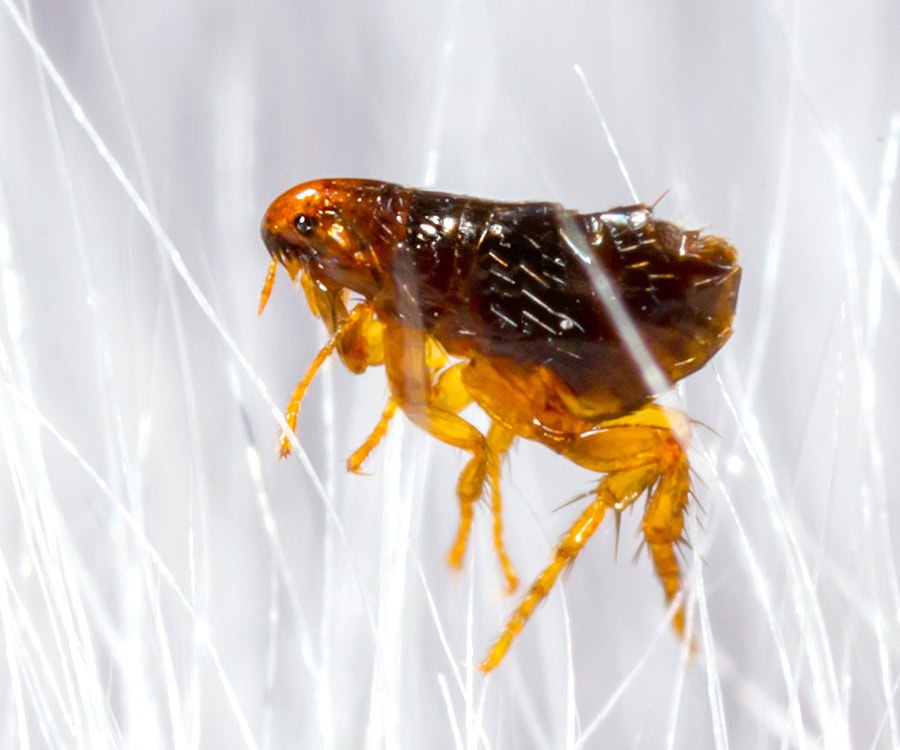
Adult fleas are small, wingless insects with a narrow, side-flattened body and strong jumping legs. They feed on animals and may bite people. A clearly identified insect is more useful than a description of itching or a presumed bite pattern. Pets can scratch for several reasons, and skin symptoms in people do not confirm the pest.
Look for evidence in the areas animals use regularly, including resting places, bedding and nearby flooring. A veterinarian can assess an affected pet and advise on flea identification and treatment. Health Canada’s flea guide explains the distinction between adult fleas on animals and immature stages in the surrounding environment.
Tell our office where insects have actually been seen, which rooms are involved and whether a pet has been assessed. A photograph or securely contained specimen can help. If the evidence instead suggests bed bugs or another cause, treatment should follow that finding rather than a general complaint of biting insects.
For comparison, see our bed bug guide and carpet beetle guide. Persistent or severe skin symptoms should be discussed with a healthcare professional, while an unwell animal needs veterinary care.
Why flea activity can continue after the first response
Fleas develop through egg, larval, pupal and adult stages. In a typical pet-associated infestation, eggs can fall into the animal’s surroundings, while larvae develop in protected areas containing suitable food. The adult insects you see represent only one part of the process.
Protected pupal stages can complicate control, and newly emerged adults may be noticed after initial work. That does not mean every treatment has failed or that immediate repeat spraying is appropriate. The UC IPM flea resource explains why environmental management and follow-up matter. The appropriate monitoring period depends on the situation and the service instructions.
Map activity around pet-resting areas, upholstered furniture, rugs and accessible floor edges. Include places an animal used previously, not just where it sleeps now. A property without current pets may still have a history of animal occupancy or another animal-related source that warrants investigation.
Do not assume that a suspected wildlife source can be removed casually. Signs of rodents, birds or other animals may require a separate assessment and lawful exclusion plan. The flea enquiry and the animal-access problem should be coordinated rather than treated as unrelated complaints.
Pet treatment and property treatment are different services
A premises pest-control appointment is not veterinary treatment. Discuss all household animals with your veterinarian so their care can be coordinated with the property plan. Species, age, weight, health and other medications can affect which pet products are appropriate.
Do not apply a product labelled only for dogs to a cat, and do not use a premises pesticide directly on an animal. Follow the specific label and veterinary advice. Combining several products or repeating doses without advice can create additional risk. Health Canada’s pet pesticide safety guidance explains why these distinctions matter.
Tell the pest-control office which animals live at or visit the property and where they spend time. Include aquariums, birds and other less obvious occupants, not only dogs and cats. Ask how they should be accommodated during the booked service and when they may return to treated spaces.
After suspected pet exposure or a reaction: contact a veterinarian promptly and have the product name or label available. Do not wait for a pest follow-up appointment to address an animal-health concern.
Preparing the property for flea service
Follow the preparation list for your appointment. Good preparation improves access and supports treatment, but it should not require unsafe lifting or unnecessary movement of suspect belongings. Tell us about mobility, laundry or storage limitations before the visit so the plan is realistic.
- Clear agreed floor areas: move suitable loose items without carrying uncontained bedding through unaffected rooms.
- Clean ordinary pet-use areas: vacuum accessible carpets, upholstery and edges as directed, and dispose of the contents securely.
- Launder suitable materials: follow fabric-care labels and the preparation instructions for pet bedding, washable covers and related items.
- Protect sensitive items: follow directions for food, toys, pet supplies, aquariums and other belongings.
Do not vacuum rodent droppings or animal contamination as if it were ordinary carpet debris. If an investigation finds nesting material or contaminated insulation, stop and obtain appropriate cleanup advice. Our rodent guide explains why dry disturbance of that material is a separate concern.
Record any products already used on the premises and discuss pet treatment with the veterinarian. Avoid adding foggers, powders or essential-oil remedies before the assessment. More products can complicate exposure precautions and make it harder to interpret what is happening.
How a premises treatment plan is developed
An assessment reviews confirmed evidence, the distribution of activity, animal-use areas and access. The proposed work should explain which rooms and surfaces are included, what preparation is needed and how ongoing activity will be evaluated. A whole-property application is not automatically justified by one unconfirmed report.
Where pesticide treatment is appropriate, registered options may address adult fleas or immature development in different ways. Product choice and placement must follow the Canadian label and be suitable for the surface and site. A treatment should not be described as instantly eliminating every protected life stage.
Re-entry and cleaning instructions
Vacancy, ventilation and re-entry requirements depend on the method and product used. Follow the written instructions for people and animals. Ask when vacuuming, washing or normal use should resume; do not assume that advice from a different service or internet forum applies to your treatment.
Follow-up based on evidence
Keep a simple record of where live fleas are seen and whether the pattern is changing. Follow-up can review preparation, animal-related sources, remaining activity and the need for additional work. It should account for newly emerging adults rather than automatically increasing treatment frequency.
Ask what follow-up is included, when to contact the office and whether a separate animal-access assessment is recommended. Ongoing symptoms without identifiable fleas deserve reassessment rather than indefinite pesticide use. Medical or veterinary questions should be addressed by the appropriate clinician.
Reducing the chance of recurrence
Continue the veterinarian’s recommended prevention for relevant pets and keep their resting areas easy to clean and inspect. Maintain a practical routine for bedding and ordinary floor debris. Changes to where animals sleep should be shared when evaluating continued premises activity.
Reduce opportunities for unwanted animals to shelter near the building, while using lawful, appropriate methods. Repair suitable access defects and avoid leaving animal food outdoors unnecessarily. Any active nest or wildlife den should be assessed before exclusion; do not seal animals inside to address a flea concern.
Rental and multi-unit properties need clear communication about affected rooms, previous animal occupancy and access. Keep reports factual rather than assuming which person or pet introduced the problem. For businesses accommodating animals, coordinate cleaning, animal care and pest monitoring so the responsibilities are not left unclear.
What affects flea treatment costs?
The extent of confirmed activity, number of rooms, floor and furnishing types, access and proposed follow-up influence the quotation. An animal-related source, difficult storage or additional exclusion work can change the scope. Veterinary care, specialist cleaning and building repair are not automatically included in premises treatment.
Provide your community, property size, affected areas and any evidence or veterinary findings when requesting help. Ask which preparation, visits and monitoring are included and how continued activity will be assessed. A realistic plan is more useful than an unsupported promise of immediate elimination.
Flea control FAQs
Can a property have fleas without current pets?
Yes. Previous animal occupancy or another animal-related source may be relevant. That possibility should be investigated rather than assumed. A specimen, sightings and the property’s history help determine whether fleas are actually present.
Will treating my pet solve the entire problem?
Pet care is important, but immature stages may also be present in the surroundings. A coordinated plan considers the animal and its environment. Ask your veterinarian about the pet and the pest technician about the premises.
Why are fleas still appearing after an initial treatment?
New adults may emerge from protected stages, or a source may remain. Follow the monitoring and cleaning instructions and report the pattern. Do not automatically reapply pesticide or increase pet-treatment doses.
Can you treat my dog or cat during the visit?
Our premises service is not veterinary treatment. Arrange appropriate pet assessment and care with a veterinarian. Tell both professionals about relevant products so animal care and property treatment can be coordinated.
Do I need to throw away carpets or furniture?
Not automatically. Inspection, material condition and the available treatment or cleaning options should guide that decision. Moving suspect belongings without containment can make management harder, so discuss disposal before acting.
How long do occupants and pets need to leave?
The required period is determined by the actual method, product label and service instructions. Confirm it before booking and plan for all animals and occupants. Do not use a general waiting time from another treatment.
Can itching alone justify another flea treatment?
Itching has many possible causes. A reassessment should look for physical evidence and consider the property’s history rather than assume fleas remain. Persistent symptoms warrant appropriate medical or veterinary advice.
Flea-control enquiries across our service area
We assist customers in Abbotsford, Chilliwack, Mission, Langley, Surrey, Delta, Burnaby, Coquitlam, Vancouver and surrounding Fraser Valley and Lower Mainland communities. Compare our bed bug guide, discuss possible wildlife activity, or browse the Pest Library.
Further reading: Health Canada: Fleas; UC IPM: Flea life cycle and management; Health Canada: Pet pesticide safety; NPIC: Pets and pesticide exposure. Foreign product examples are not recommendations for Canadian use.
Coordinate the next step for your property.
Share your evidence, affected areas and animal-related information with our office. We will discuss an appropriate premises assessment and preparation plan.
Find Flea Control in Your City
Explore local service information, preparation, follow-up guidance and written quote options across Metro Vancouver and the Fraser Valley. View all flea control service areas.