
Identification · Targeted treatment · Measurable follow-up
Cockroach Control
Repeated cockroach sightings need a plan for hidden activity, food and moisture—not just a spray where one insect appeared. Absolute Pest Solutions serves homes, strata properties and businesses throughout Greater Vancouver, the Lower Mainland and Fraser Valley.
In this guide: IdentificationSigns and risksTreatment approachPreparationFollow-upApartments and businessesCost factorsFAQs
Identify the cockroach before selecting a treatment
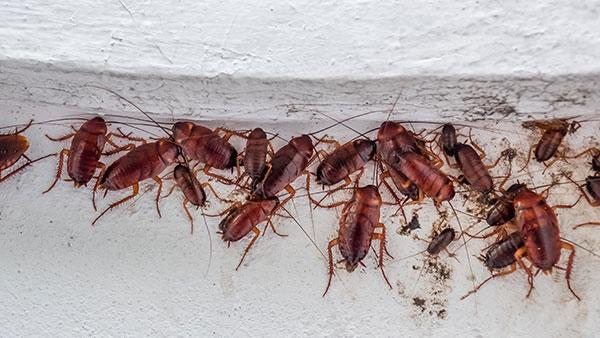
Cockroach species differ in behaviour and the spaces they occupy. German cockroaches are a familiar indoor concern, often associated with kitchens and other areas providing warmth, food and moisture. Adults are tan to brown with two darker markings behind the head. Young stages look different and may be overlooked or mistaken for another small insect.
A photograph or trapped specimen is more useful than a description such as “small brown bug.” Record the room, time and exact surface where it was found. Health Canada’s cockroach resource provides identification and prevention background. Not every large insect near a drain is a cockroach, and not every cockroach species has the same indoor breeding pattern.
Cockroaches can arrive with goods, packaging or used equipment and can move through connected building spaces. A clean home is not immune. An assessment should be non-judgmental and practical: identify the insect, determine where activity is concentrated and establish what conditions need attention.
Evidence to record and why it matters
Repeated live sightings, nymphs, egg cases, cast skins and droppings near harbourage can support an infestation assessment. Areas around sinks, appliances, cabinet joints and service penetrations are useful inspection points. Odour or a single stain is not a reliable diagnosis by itself.
- Map sightings: record the room and location rather than reporting only a total number.
- Note life stages: adults and smaller nymphs together may provide more information than one isolated adult.
- Document contributing conditions: leaks, food residues, clutter, damaged cabinetry and inaccessible equipment.
- Record prior treatments: products, dates and application areas can affect the next plan.
Indoor cockroach contamination can affect food hygiene, while shed material and waste can aggravate allergies or asthma in susceptible people. Oregon State University’s National Pesticide Information Center explains these concerns. Pest control does not diagnose or treat health symptoms; obtain medical advice where needed.
In a food business, isolate questionable food or packaging and follow your food-safety procedures. A pest service visit is not a guarantee that a premises meets every regulatory requirement. Cleaning, stock handling and maintenance responsibilities remain part of the response.
What an integrated cockroach control plan can include
A useful plan combines inspection, monitoring, targeted control and changes to the conditions allowing cockroaches to persist. Simply increasing the amount of spray does not address inaccessible harbourage, competing food or movement from adjoining spaces. Our recommendations are based on the evidence and practical access at your property.
Monitoring and hotspot assessment
Appropriately positioned monitors can help identify activity zones and compare findings over time. Placement and dates matter: a count from a different location or monitoring period is not directly comparable. Leave professional monitors where instructed and tell the technician if cleaning staff or occupants have moved them.
Baits and other targeted measures
Gel baits or other registered options may form part of a treatment plan, depending on the species and site. Effective placement is not the same as leaving large visible deposits everywhere. Products must be used only where their labels permit, with precautions against access by children, pets and non-target animals.
The UC IPM cockroach guide explains the value of bait-based strategies, sanitation and exclusion. Broad aerosol or fogger use can interfere with a targeted program and does not reliably reach all harbourage. Do not spray over professional bait or substitute an unregistered imported product.
Reduce food, water and shelter
Clean accessible grease and crumbs, protect stored food, manage waste and report leaks. Reduce unnecessary cardboard and clutter where it prevents inspection. Structural gaps and shared service openings may need appropriate repairs. These recommendations support treatment; they are not a reason to blame occupants or assume cleaning alone will resolve every established infestation.
Preparing for a cockroach appointment
Preparation depends on the service method. A gel-bait assessment may not require the same cupboard emptying or vacancy arrangements as another application. Follow the instructions for your booking rather than clearing the entire property unnecessarily. Tell us about pets, aquariums, sensitive occupants and inaccessible appliances in advance.
Make the agreed areas accessible, protect food and utensils as instructed, and complete suitable cleaning before treatment. Do not disconnect gas appliances or move heavy equipment unsafely. Arrange maintenance assistance where necessary. In a restaurant, confirm how preparation fits around food handling and operating hours.
After treatment, do not wash away placements or add another pesticide without advice. Re-entry, ventilation and cleaning requirements are determined by the actual products and method. Health Canada’s pesticide safety guidance explains why the label and intended application site matter.
Gel bait is still a pesticide. Targeted use can limit unnecessary exposure, but “small amount” does not mean safe to touch or eat. Keep children and animals away from placements and seek appropriate medical or veterinary advice after suspected exposure.
How follow-up measures progress
Follow-up can review monitors, fresh evidence, bait condition and acceptance, access and outstanding sanitation or repair work. The technician may adjust the approach when the findings justify it. An established problem may need more than one visit, but repeat applications should be guided by assessment rather than routine alone.
Keep reporting dates and locations of sightings. Seeing cockroaches after an initial service does not by itself establish failure, and a brief quiet period does not prove elimination. Ask what pattern warrants an earlier call, what visits are included and how the service concludes. New introductions and activity from unaddressed connected areas can affect results.
Ongoing programs should make responsibilities clear: who reports sightings, who checks for leaks, who provides access and how recommendations are tracked. This is particularly important when several tenants, cleaners or shifts use the same property.
Apartments, strata buildings and commercial kitchens
In a multi-unit property, treatment may need coordination beyond the first reported suite. Management can help arrange access, collect reports and address shared conditions. Confidential, factual communication is more useful than assumptions about which occupant caused the issue. Permission and scheduling should be settled before visits.
Commercial spaces need attention to receiving areas, staff rooms, storage, equipment and waste handling as appropriate to the findings. The service plan should work with the site’s food-safety and maintenance procedures. Ask for records that identify serviced areas and recommendations rather than relying on a vague statement that the building was “sprayed.”
Health Canada’s guidance for landlords and building managers is a useful reference for responsible pesticide coordination. We can discuss a focused service or an ongoing monitoring program according to the property’s needs.
Cockroach treatment cost and quotation details
Pricing depends on the affected rooms or units, evidence of activity, access, equipment complexity and follow-up requirements. A contained kitchen issue differs from activity across a multi-unit building or commercial facility. Deep cleaning, appliance repairs and construction should be distinguished from pest treatment.
Provide the community, property type, approximate size, rooms involved and any previous treatment history. Ask which areas, methods and follow-up visits are included, what preparation is required and how further activity will be handled. Any warranty conditions should be stated rather than assumed.
If cockroach gel bait or monitors are part of your plan
Different cockroach situations call for different control measures. Where the technician selects gel bait or monitoring equipment, the property contact should understand how to protect the placements, what cleaning is appropriate and how to report activity between appointments. The written plan determines which method, areas and return visits apply.
- Before the visit: describe kitchen and bathroom activity, provide safe access to agreed areas and disclose recent household insecticide use.
- Children and pets: tell the technician about animals, children and shared spaces so placements and any site-specific instructions account for exposure risks.
- After placement: do not touch, remove, cover or add products to professional baits or monitoring devices unless the technician instructs you to do so.
- Between visits: record dates and locations of new sightings, reduce accessible food or water sources and ask the office before using additional sprays that could interfere with the plan.
In apartments, shared buildings and commercial kitchens, prompt reporting and coordinated access may be necessary. Property managers can review our strata and property-management service; food businesses can consult restaurant and food-facility pest control.
Cockroach control FAQs
Why do I have cockroaches when I clean regularly?
Cockroaches can arrive with goods or move through connected spaces. Very small food and water sources may also remain in inaccessible areas. Cleaning helps, but a clean-looking room does not rule out harbourage or introductions.
Is gel bait safe for pets?
It must be placed and managed to prevent access. Tell the technician about pets and their habits, and follow all instructions. No pesticide should be described as safe to ingest; contact a veterinarian promptly after suspected exposure and keep the label details available.
Can I use my own spray between visits?
Speak with the technician first. Additional products may contaminate bait, change insect movement or interfere with evaluating the treatment. Provide the name and location of any products already used.
Do I need to empty every cupboard?
Not for every method. Follow the preparation list for the booked service. The technician needs suitable access, but unnecessary movement of belongings can complicate work. Discuss limitations before the appointment.
Does one daytime sighting prove a severe infestation?
No single observation establishes severity. Species, life stages, monitor findings and distribution across the property provide better evidence. Daytime activity is worth reporting, but it should not be used alone to estimate the population.
Can one suite be treated while neighbouring units are affected?
It can be serviced, but connected activity may complicate results. Management may need to coordinate inspection or action in additional areas. The plan should acknowledge those limitations rather than promise a unit will remain isolated from the building.
How will I know whether treatment is working?
Compare dated sightings and monitoring in consistent locations, alongside inspection findings. Ask what progress and follow-up criteria apply to your plan. Fewer visible insects are encouraging, but ongoing assessment is more informative than a single quiet night.
Cockroach help across our service area
We assist residential and commercial properties in Abbotsford, Chilliwack, Mission, Langley, Surrey, Delta, Richmond, Burnaby, Coquitlam, Vancouver and surrounding Fraser Valley and Lower Mainland communities. Explore commercial pest control, compare pantry moths or silverfish, or return to the Pest Library.
Replace repeated guessing with a clear plan.
Tell our office where activity is occurring and which areas are affected. We will discuss inspection, preparation and a service scope appropriate to your property.
Find Cockroach Control in Your City
Explore local service information, preparation, follow-up guidance and written quote options across Metro Vancouver and the Fraser Valley. View all cockroach control service areas.