

Vancouver, BRITISH COLUMBIA
Pantry Moth Control in Vancouver
Identify pantry moth sources, protect dry goods and plan suitable kitchen pest management.
BC-licensed pest control · Clear scope · Follow-up explained in writing
Identify the concern
Inspection findings guide the recommended service.
Targeted treatment
An appropriate plan for the pest and property.
Written aftercare
Clear preparation and covered return visits.
PEST CONTROL FOR LOCAL PROPERTIES
A tailored approach to pantry moth control
In a Vancouver home or food business, pantry moths often demand a product-by-product investigation rather than a general insect spray. Whether sightings start in a Kitsilano cupboard, a Mount Pleasant bakery or a downtown apartment, finding the affected dry goods is the central task.
Moths seen near a kitchen ceiling can originate from contaminated dry food elsewhere in the property. Finding and addressing the source is essential; traps and pesticide applications alone do not make infested food safe.
Our office accepts enquiries from Downtown, Kitsilano, Mount Pleasant and East Vancouver. The visit is confirmed after we review the property, applicable access restrictions and written treatment scope.
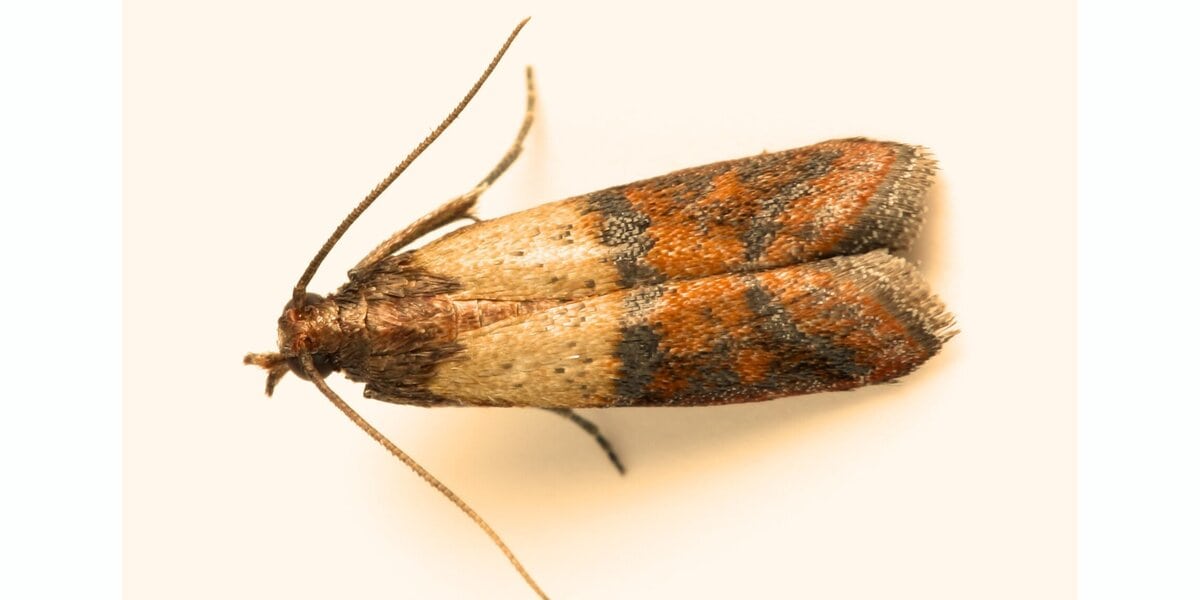
WHAT WE LOOK FOR
Assessment priorities
Trace food sources
Check susceptible rice, flour, grains, nuts, birdseed and pet food for webbing or larvae.
Protect unaffected goods
Secure packages separately and avoid moving loose infested goods into clean storage.
Use monitoring appropriately
Pheromone traps can aid monitoring but do not remove larvae inside contaminated packages.
HOW OUR SERVICE WORKS
Inspect. Plan. Follow through.
01 — Inspect
Identify the moth and examine implicated dry-goods storage.
02 — Remove sources
Recommend safe segregation, disposal and cleaning of confirmed affected products.
03 — Review activity
Monitor emergence and assess remaining shelf joints or storage locations.
CITY-SPECIFIC INFORMATION
What matters in Vancouver
The best approach depends on the reported pest, the property layout and the areas that can be safely inspected.
Baking ingredients and bulk-food cupboards
Flour, oats, nuts, seeds, chocolate ingredients, spices and dried fruit can carry stored-food insects. Inspect the packaging and nearby shelf crevices and document which products show larvae or webbing. A moth found on the kitchen wall may have emerged from a product several shelves away. It is important to distinguish pantry moths from clothes moths or outdoor moths entering through a window.
A bakery needs inventory controls as well as pest control
Food operations should consider recent deliveries, opened dry goods, stock rotation, sealed storage and sanitation. A technician may assess insect evidence and recommend monitoring or targeted work in appropriate non-food-contact areas, but cannot declare contaminated stock safe for sale. Disposal, food-safety decisions and operational records remain the responsibility of the business and relevant qualified professionals.
Older cupboards and hard-to-clean crevices
In a house with older shelving or a compact rental kitchen, larvae may move to protected joints and pupate away from the source package. Safely empty affected shelving as directed and clean accessible cracks without introducing pesticide into food. Do not rely on a single pheromone trap near the stove to identify every infested product. The number and location of moths caught can inform monitoring, not by itself certify elimination.
BEFORE YOUR APPOINTMENT
How to get ready
01 — Observe
Photograph larvae, webbing or moths and the products where they appear.
02 — Prepare
Do not transfer suspected infested contents into new communal bins or clean cupboards.
03 — Coordinate
Tell us whether food is also stored in a basement, garage, pantry or separate unit.
These are general planning suggestions. Follow the technician’s written, product-specific safety and re-entry instructions for your booked service.

SAFETY & FOLLOW-UP
Clear guidance after every visit
Never apply pesticides directly to food or food-contact surfaces outside approved label use. Contaminated products must be managed as food waste; pest-control treatment does not restore food safety.
Our service record can document the treated areas, findings, recommendations and agreed next steps. Repair, specialist cleaning and separately requested work are not automatically included.
THE ABSOLUTE GUARANTEE
Know what your service agreement covers
A written quote identifies the specified pest, treatment areas, scheduled return visits and any voluntary warranty period. Eligible re-service follows the agreed conditions. The Absolute Guarantee is not an automatic money-back promise or a guarantee against new pest introductions.
QUESTIONS WE HEAR
Pantry Moth Control in Vancouver — FAQs
Can you inspect pantry moths at a Vancouver cafe?
A commercial food-storage inspection can be discussed, with appropriate food-safety precautions and documented scope.
Will spraying kitchen shelves remove larvae inside cereal?
No. Infested products must be identified and managed; pesticide application cannot make contaminated food safe.
Should I use mothballs in the pantry?
Do not use pest products near food unless specifically labelled for that use. Source removal and safe food storage are central.
Does the quote include a detached storage area?
Only areas listed in the written service scope are covered.
For more information see Pantry Moth Control guide and general pest control in Vancouver.
GET A WRITTEN QUOTE
Need pantry moth control in Vancouver?
Tell our office what you have noticed, which rooms or areas are affected, and your preferred contact method. We can respond by email and explain the appropriate next step.